

 Rubia Usman is a GP partner. Learning on the job.
“I am firmly of the opinion that a group practice without a woman doctor is lop-sided.”
Male GP, 1967
This is our time. In 1960 around 2,500 women, about 20% of the UK GMC register, were women GPs. Now, out of 70,154 doctors on the GMC GP register 55% are female.1 And the number is rising constantly.
Working less than full time has become a norm over the last five decades. Lack of domestic help and childcare has always been the biggest challenge in holding us back. As times have gone on women GPs have worked around childcare, working less than full time, doing locum shifts here and there as time permitted. However the options were limited. This is where the pandemic came and changed it all.
With the onset of having all meetings virtually and being able to work remotely where needed, it has opened up a whole new realm of working patterns. When less than full time first arose women were treated as an oddity. As times have gone on we have come to realise it is not just from necessity, but it is also a myth that they work less hard. If I had a family member fall ill and I had to stay back for childcare I could still work remotely – varying between admin or clinical work time.
This is where the pandemic came and changed it all.
Diversity at the work place is driving more work life balance decisions. A GP can choose to work mornings and be home to pick the kids from school and nobody will bat an eyelash. What stopped us from taking on additional roles e.g. becoming a trainer, a Training Program Director, a managerial post, was always the fear of not being able to give time. Either to work or home. The guilt never left. If nothing else the commute time is gone for these meetings.
We have come a long way from the days when someone came into a room full of doctors they looked towards men to be the doctor and the women, well, to be an assistant.
If you work hard and you are a woman you have the power. This is (y)our time!
Having an ethnically diverse population means that we bring a different perspective to the table. Most environments are promoting diversity be it media, retail, fashion or elsewhere. The NHS is the same. If you work hard and you are a woman you have the power. More power to you. This is (y)our time!
Reference
- GMC. What our data tells us about general practitioners working in NHS England and Scotland. 6/5/2018
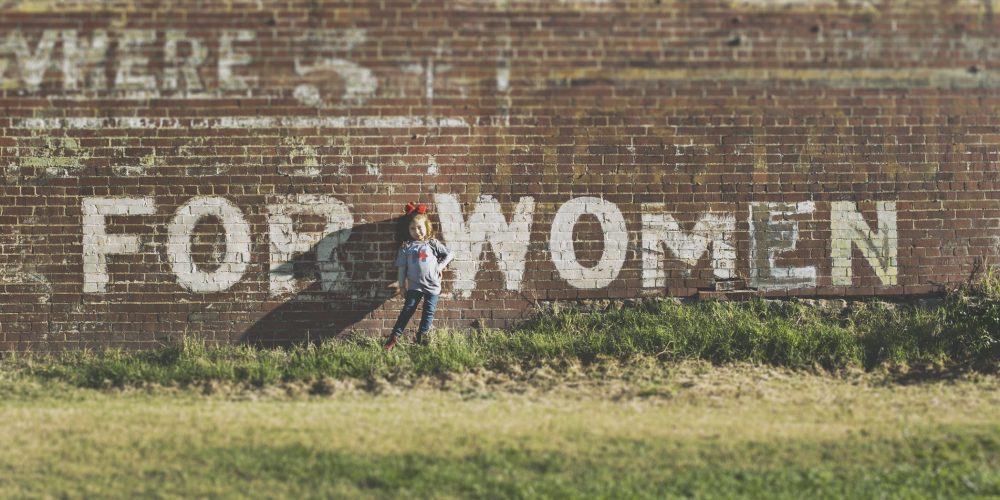
Featured image by Katherine Hanlon at Unsplash






This was a wonderful read! I am a Dentist, who’s been a stay-at-home mom for 5 years now. Relatable and thought provoking!
Wanna meet you in person