

Hector Watson is a foundation doctor with an interest in the human side of medicine.
Elizabeth Walton is enjoying her current phase of life as a locum GP, which is allowing more time to appreciate the arts.
Everybody has a story, but very few can tell a story like Tracey Emin. She lays bare the brutality of her experiences through an impressive variety of media in her current exhibition at Tate Modern. We came away feeling bruised yet motivated to explore the themes she raises more deeply, especially in relation to our medical identities. It’s not an easy gallery day trip, but if you have the emotional capacity, Emin and her vast array of work are the perfect hopeful antidotes to current dangerous misogynistic cultural shifts. We left feeling that we have much to learn from her art, both as people and doctors.
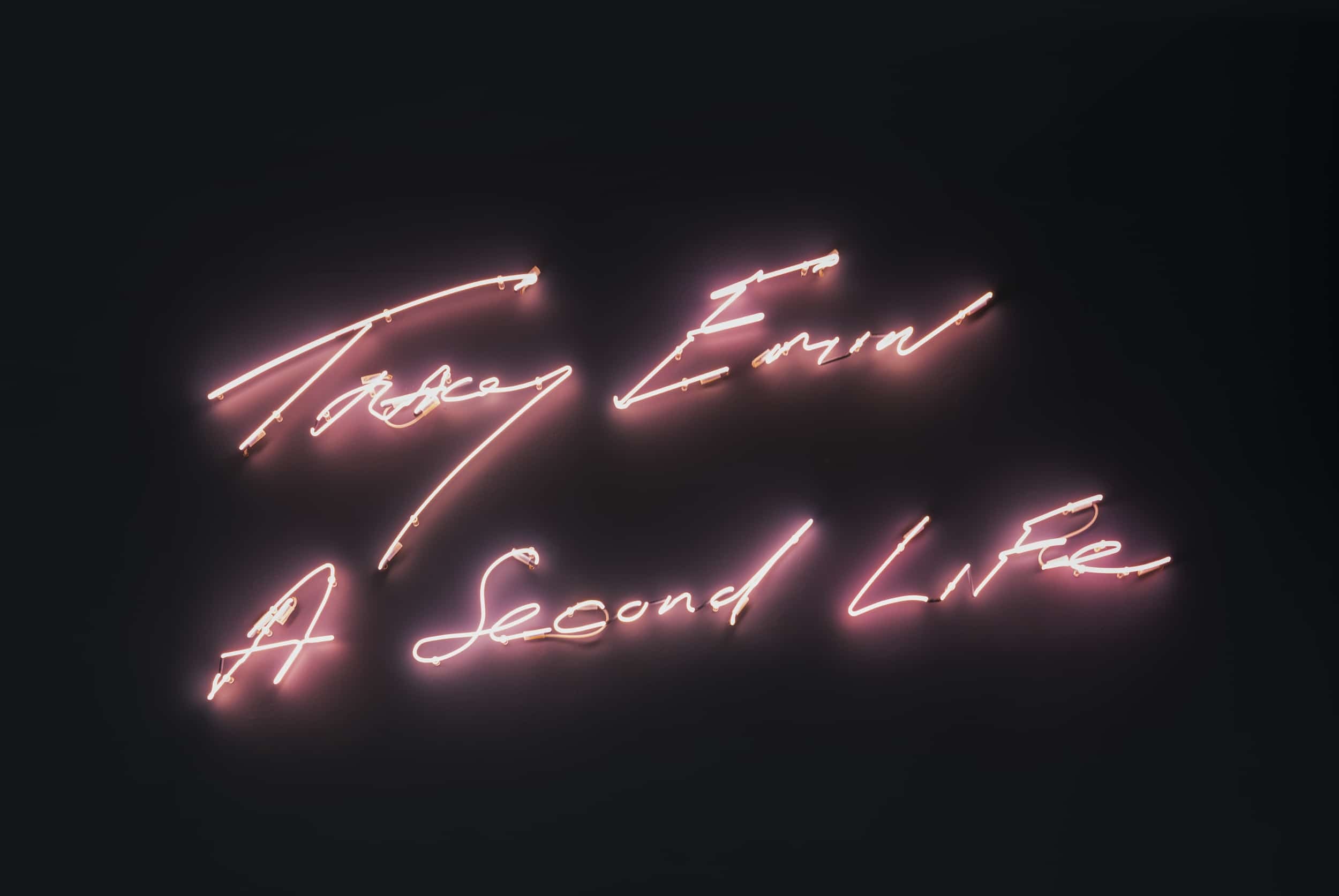
Emin’s current exhibition is part retrospective, chronicling episodes of her life as far back as her early teenage experiences. She is a polymath of the art world, well ahead of her time using paint, embroidery, sculpture, film, photography, and her famous neon signs to shift the inappropriate shame of sexual abuse and rape firmly away from victims. While it is painful to learn about the abuse Emin and other brave women like Gisèle Pelicot have suffered, it feels good to know they are bravely and loudly finally shifting the stigma and shame to where it is warranted: onto their abusers. Alongside her famous My Bed, which was shortlisted for the Turner Prize in 1999, we are introduced to her more recent work created in the context of her cancer diagnosis and treatment leading to the title of the exhibition: A Second Life.
The film describing Emin’s experiences of termination of pregnancy particularly resonated with us having worked together recently in general practice where we supported women in early pregnancy. Emin emphasises her inability to have had a child during these vulnerable times in her life. We were left hoping we had never used the patronising tones and actions of Emin’s doctors, which led to anger and long-lasting distress. Anger towards health professionals is challenging to witness, but also an important opportunity to reflect on our practice; we felt humility could be a more valued trait in our profession. The UK government’s recent pledge to improve women’s experience of NHS health care is welcome and necessary.1 This exhibition is an opportunity to listen to one brave woman’s voice, which speaks on behalf of many.
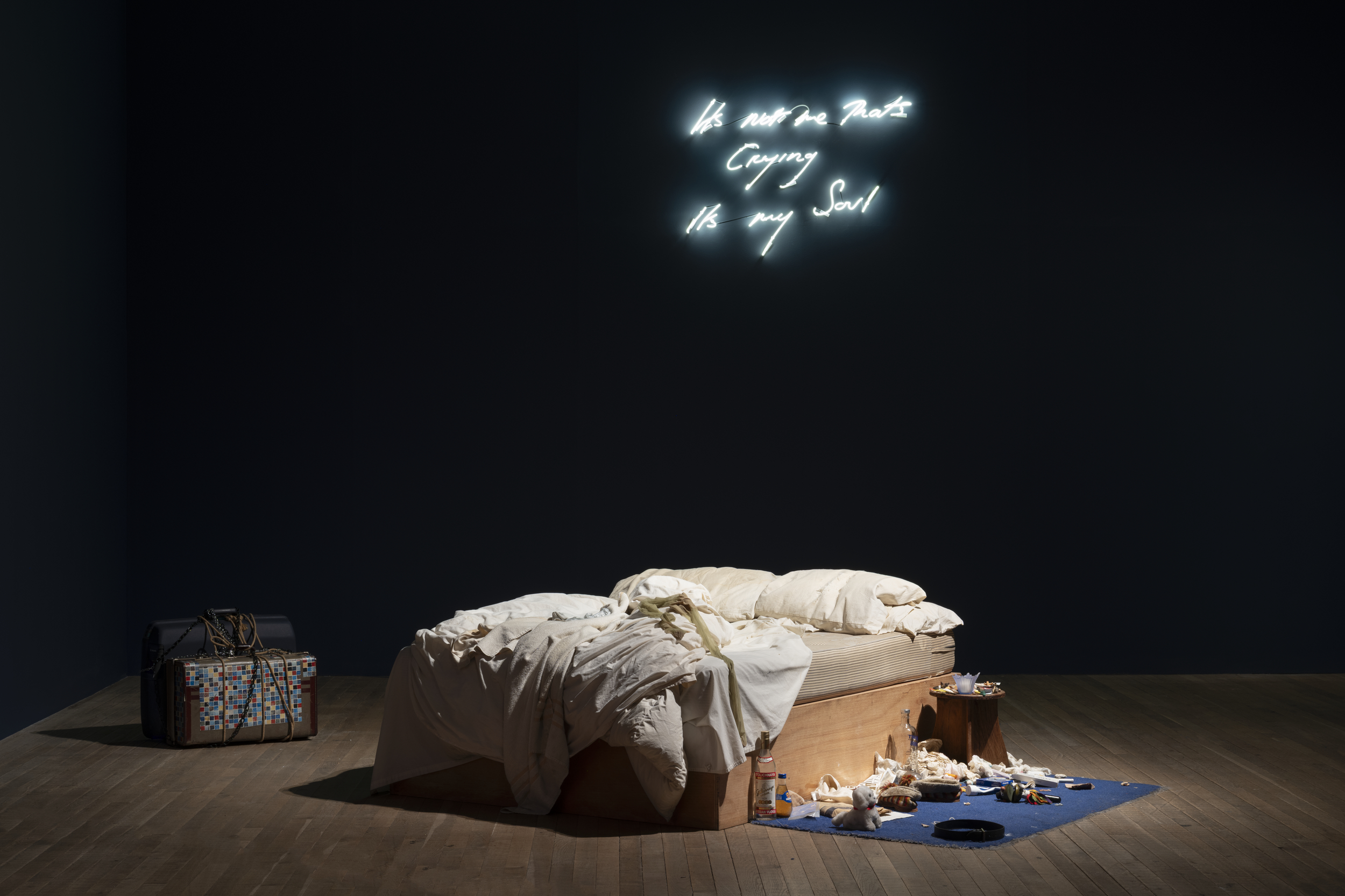
Its not me Thats
Crying
Its my Soul
This is the neon message above Emin’s famous messy bed surrounded by the detritus of overwhelm. It is becoming increasingly challenging with current NHS GP workloads to take the essential time and emotional energy to dig deeper into a psycho-social history, when we meet patients at some of the worst times in their lives. With time pressure and multiple demands it is a struggle to maintain the necessary kindness to remind ourselves, and our patients, that problems like addiction are often a result of negative childhood experiences rather than a choice.
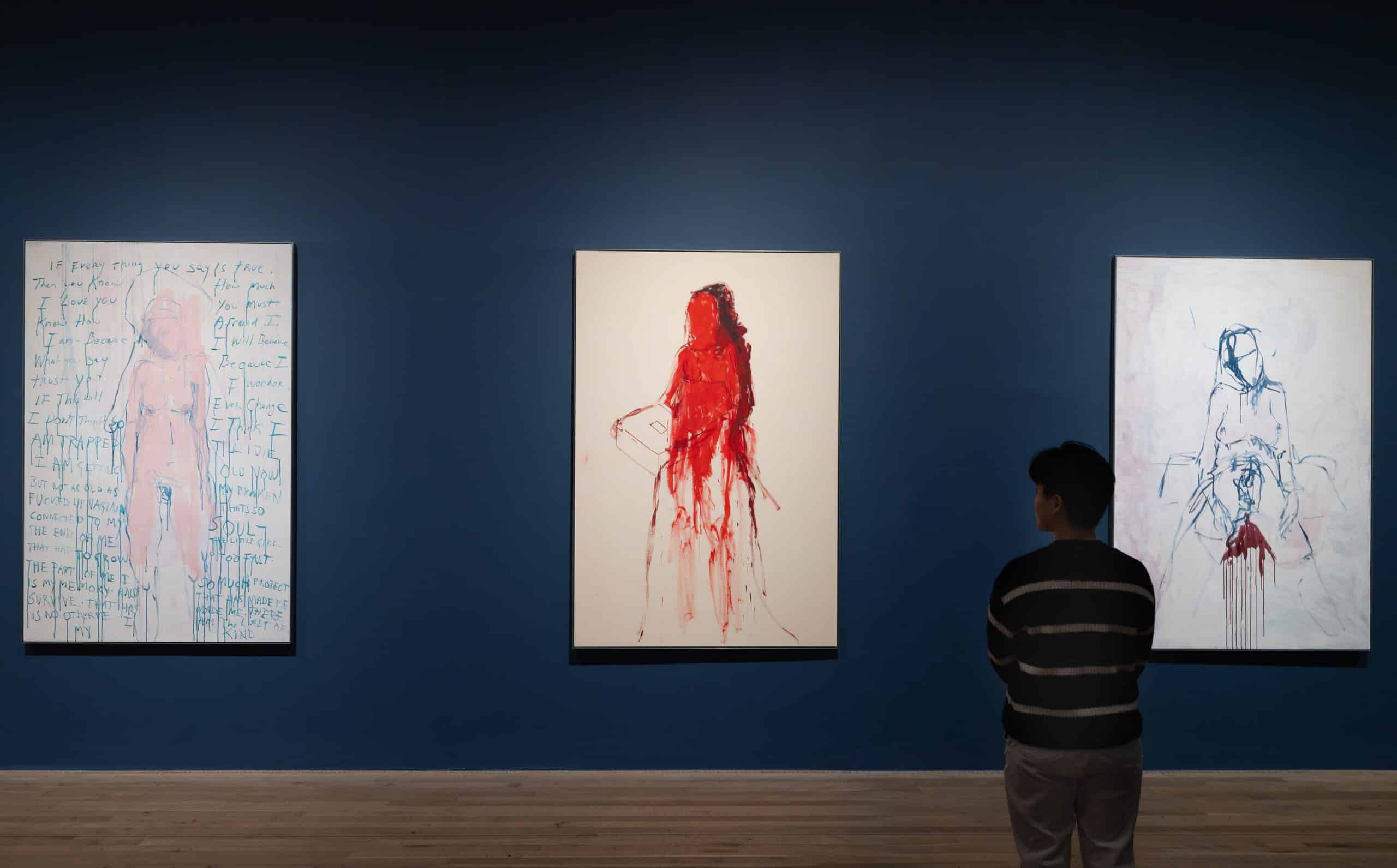
Bodies take centre stage throughout the exhibition — Emin’s body to be precise, and her relationship with it. Almost every painting is a self-portrait, creating a sense of fascination almost to the point of obsession. We are given graphic views of sex, abortion, and nudity displayed from angles that highlight aspects most people might hide away. Post-operative photos of her stoma are from angles even her surgical team wouldn’t have imagined. While the bodily imagery can be graphic, there is also humour, comfort, and tenderness to be found in objects such as a rollercoaster sculpture, her grandmother’s chair, and unused children’s shoes and toys.
One of us was barely born and the other in the penultimate year of medical school when My Bed was created but we have both learned lots about birth, life, and death from this exhibition. We had so much to discuss about abuse, the human condition, and medical professionalism that we wrote our thoughts down into themes and that is how this article emerged. As we both move into new phases of our careers, we feel hopeful and grateful for our multiple professional ‘second lives’. This exhibition has expanded our understanding of patients who sit before us and also happily sparked several interesting conversations, building on another medical friendship, which are so valuable to our resilience as doctors.
Emin, through her art, has converted the chaos generated from sexual abuse and poverty in early life into a beautiful lens for us to understand ourselves and our patients better.
Exhibition: Tracey Emin, A Second Life, Tate Modern, until 31 August 2026.
Reference
1. Department of Health and Social Care. Renewed Women’s Health Strategy for England. 2026. https://www.gov.uk/government/publications/renewed-womens-health-strategy-for-england (accessed 29 May 2026).
Featured photo: Tracey Emin A Second Life at Tate Modern installation view. Photo © Tate (Sonal Bakrania).


This is a really powerful review. Thank you. It highlights how creative health activities, like visiting a gallery, can support our work as GPs and help us to understand and navigate complexities, challenges, and emotions around care. I remember Tracey Emin’s My Bed coming along, and at the time, I really didn’t get it. But now I certainly do!