

 Rubia Usman is a full-time GP, full-time mum, and full-time shopaholic
Dear Patient,
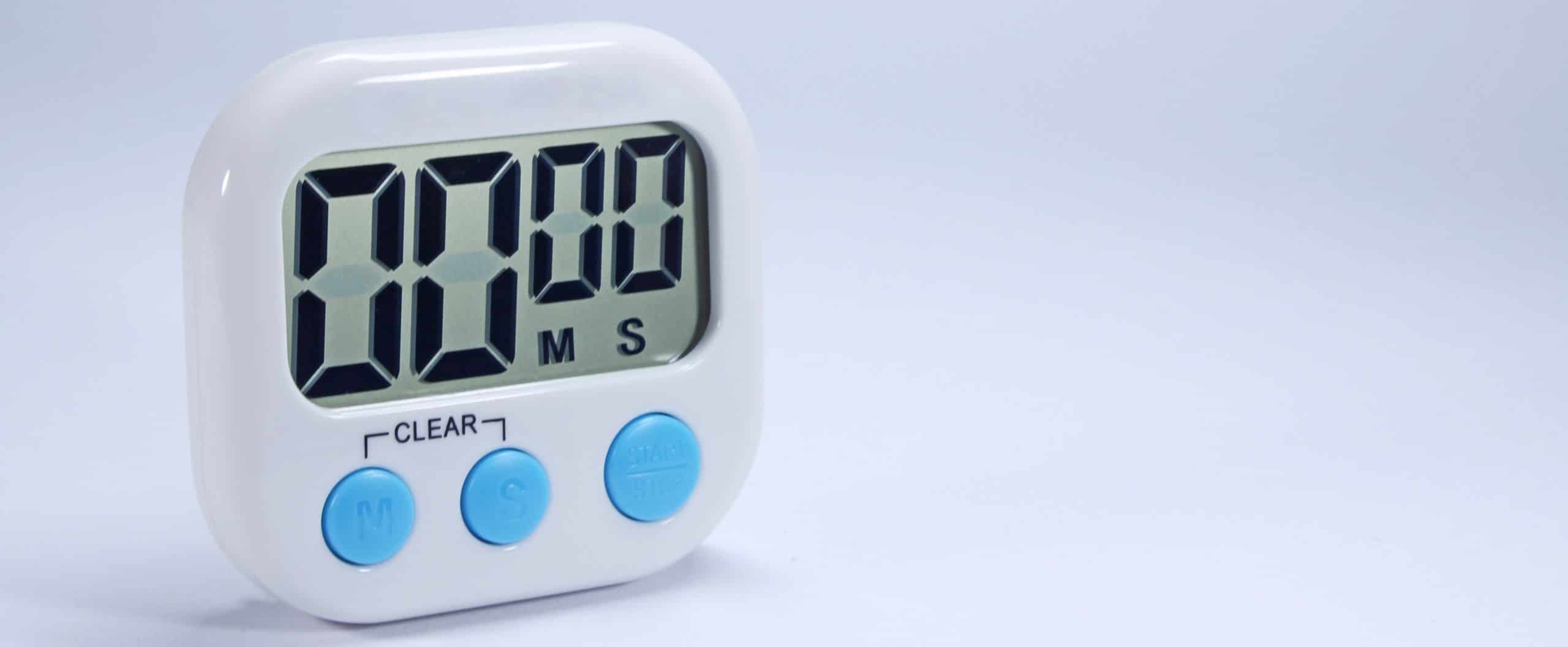
In the Autumn of 2021 I was the duty doctor for my surgery – a shift I do once or twice a week due to us being a smaller surgery with three partners. In that one shift alone I had sixty-one active patient contacts – meaning appointments. These appointments were mostly face to face. Not a single patient who needed or wished to be seen face to face even if there was no clinical need was declined. This did not include countless messages, blood results, tasks or emails I had to also sift through and act on. Forty-one of those appointments were on my afternoon list which is usually meant for three to six pm (One hundred and eighty minutes). That means roughly four point four minutes per patient. That is four minutes and twenty-five seconds for me to see the patient and decide what is wrong with them, how to try and fix their problem and deem them safe to go home.
This is a task that in hospitals is often done after a patient has been seen by a doctor, nurse, health care assistant, had blood and desired and relevant tests and possibly another eye of a more senior clinician. Not in primary care. We are the first port of call, which does not usually mean that we will not get serious and urgent things.
…four minutes and twenty-five seconds for me to see the patient and decide what is wrong with them, how to try and fix their problem and deem them safe…
It is a big responsibility. That is why I have spent nearly all my life getting ready for this responsibility. I am not a hero and I not a martyr. But in under five minutes I am to figure out what is the clinical or social issue and resolve it. And I cannot rush you. I cannot tell you that I am overworked, exhausted, and that after I finish I will go home I will have to rush at the same pace because I also have a young family of three kids to look after. It is not your problem. Nor should it be. But it is me and part of who I am.
At the beginning of pandemic we were hailed like heroes. We continued to work, we continued to provide services at sub par levels – treat issues without having access to full and all diagnostic means. And then we carried the biggest vaccination program known to mankind.
A full year later we are exactly where we were twelve months ago. Frantically trying to vaccinate and boost all while still doing our day job. Because it is not a job you can turn off for two weeks. Nor do we want to. In our surgery alone we have to boost over one thousand patients in less than two weeks.
We do not ask for claps, we do not want accolades but we also not want abuse. Every single person I work with works hard to provide the best service they can. We are not playing golf. We never were.
Four point four minutes. Just let that sink in.
We do know most of you are looking out for us. We are reminded when you thank us or, in my case, when, patients remind me to eat on time. Just one kind thought does make my face/room brighten and makes it all worth it in the end.



Wonderful article.