

 Isma Naeem is a GP, a mum of three and ‘an amateur cook!’ She is on Twitter/X: @ismanaeemGP
As clinicians, we are trained to think logically, to look for causes and to keep our responses measured. So when we are faced with a loss that shakes us to our core how are we supposed to accept the lack of control over the situation and move on? How do we accept something that is illogical, doesn’t have a cause and ignites such a visceral sense of despair that is impossible to be measured?
Losing my father earlier this year changed me. It changed me as a person, it changed me as a mother and it changed me as a doctor.
Losing my father earlier this year changed me. It changed me as a person, it changed me as a mother and it changed me as a doctor. Until experiencing this loss I had never truly understood what it was like to lose something so integral to ones life. It got me thinking about how I had responded to others in their loss, whether that was friends or patients. I had empathised with their loss but I had in no way ever come close to understanding it. That is clear to me now. For many of us our parents are the only people that have known every side and every form of us. From the newborn to the toddler, from the schoolgirl to the medical student, from the student to a doctor and from a wife to a mother. They have watched us, supported us, shaped us and guided us. To lose someone that has been a constant in your life in the blink of an eye leaves an unfathomable void.
When a patient now tells me they have lost a loved one, be it last week, last month or many years ago my heart skips a beat. I stop. I stop and acknowledge what they have told me and I make sure they know they have been heard. As it is now clear to me that it doesn’t matter how much time passes, the void left will never be filled. I sometimes wonder whether this response in me will dampen with time but in a way I hope it doesn’t. In many ways it makes me feel vulnerable. It also means I connect with my patients in a different way, in a way of a shared sense of loss and empathy that can not be taught.
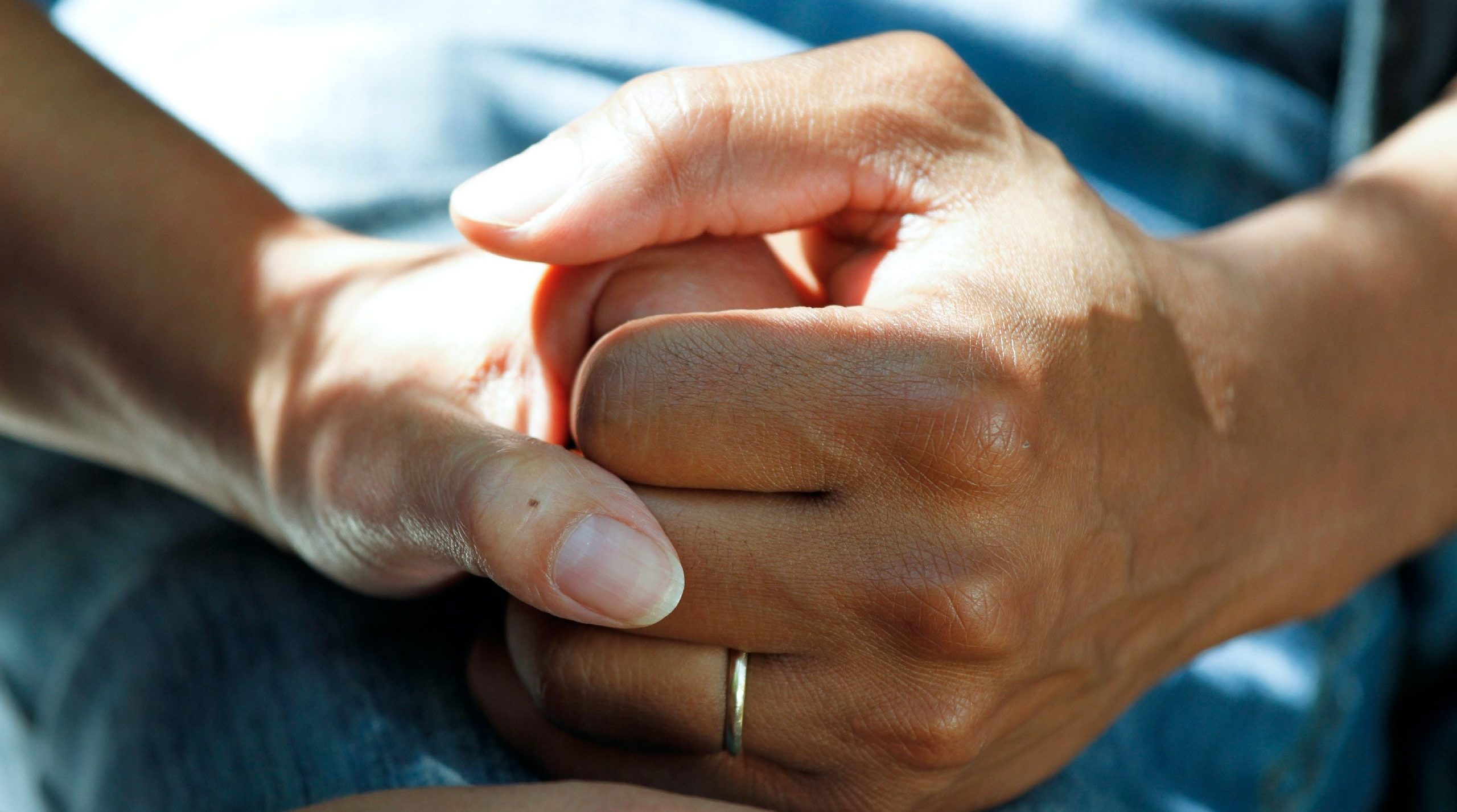
Featured photo by National Cancer Institute on Unsplash




Thank you for sharing and sending you love and light.
Lovely reflection Isma 🙂