
 Annabelle Machin is a GP, Royal College of General Practitioners Curriculum Editor, and Simulated Consultation Assessment Examiner.
Dragon’s blood potion, a case of 100 prosthetic glass eyes, a secret subterranean alchemist’s workshop, and devices used to protect against body snatchers are a few of the medical curiosities I’ve discovered on my recent travels. You may wish to escape medicine entirely on your holidays, but as doctors, there are extra insights we can gain from these obscure exhibits — of interest to our travel companions and worthy of personal reflection for our careers in general practice.
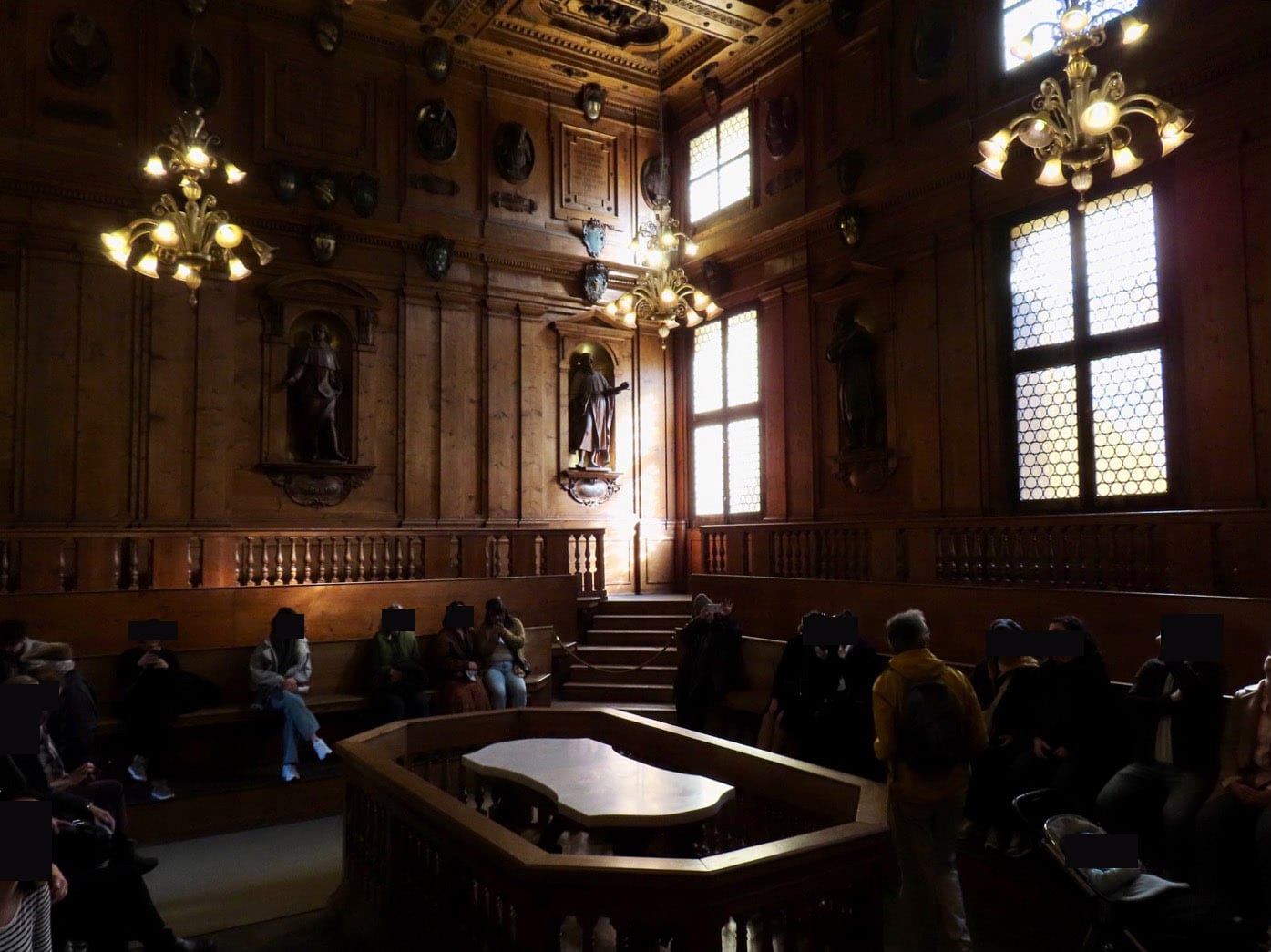
Built in 1637, the Anatomical Theatre of the Archiginnasio in Bologna is a room shaped like an amphitheatre, that draws your eye to the central marble table. Here, surrounded by ornate wooden carvings, the public were invited to view some of the earliest human dissections, which were overseen by church leaders.
With no means of preserving corpses, it was hard for students to learn from cadavers. In around 1740, informed by the dissection of more than 200 bodies, Ercole Lelli modelled eight life-sized wax statues. Blending science and religion, two depict a naked Adam and Eve, with the wax seemingly melting through the layers of each body, to eventually reveal the inner skeleton, holding a scythe and sickle of death.
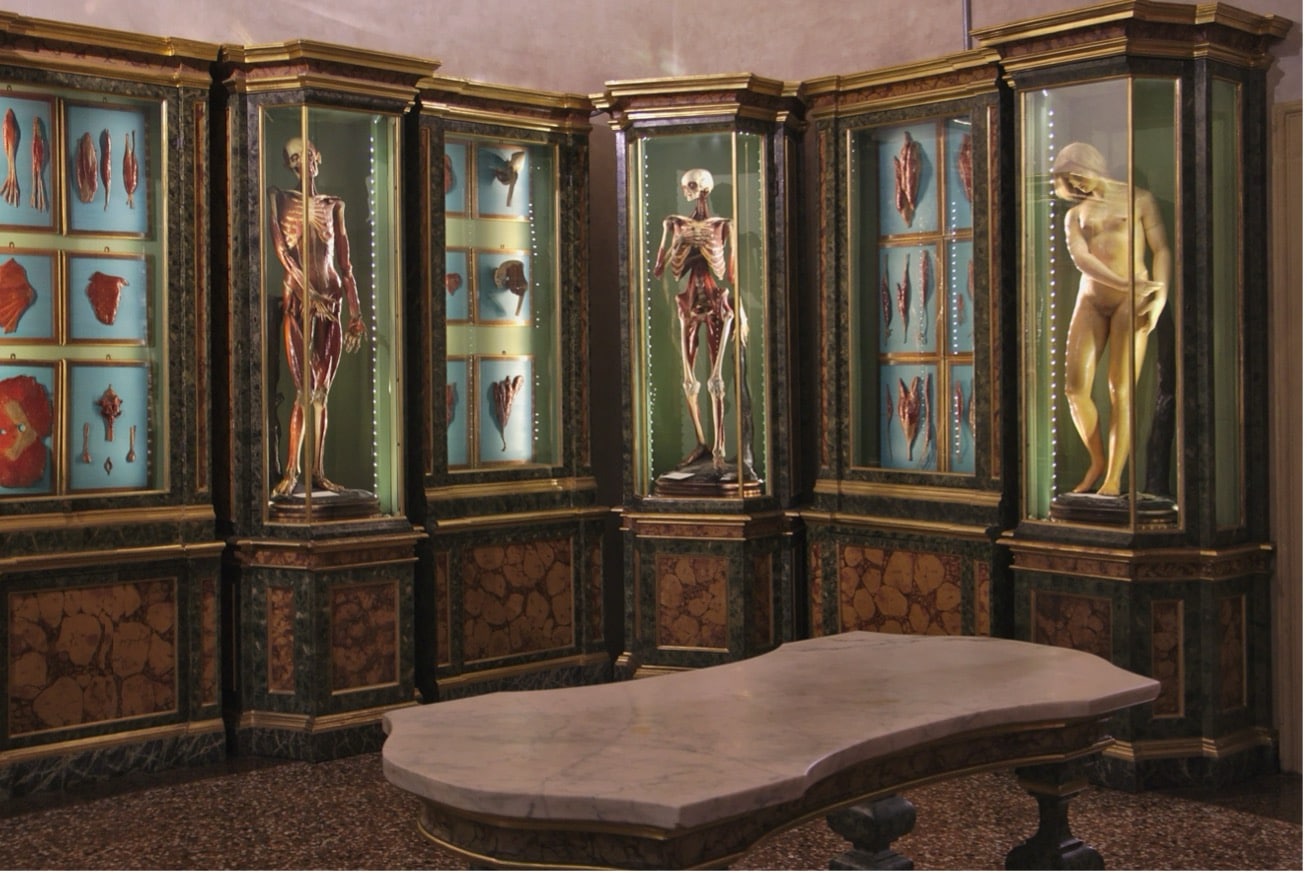
Where the boundaries of science are met in understanding life and death, art and religion can offer people comfort and insight. Seeing the carved anatomical adornments of the anatomy theatre and Lelli’s enthralling wax models, prompted me to reflect on how I support people approaching the end of their lives and explore their beliefs about death — where art and medicine overlap, it can help us to think differently about how we apply our knowledge.1
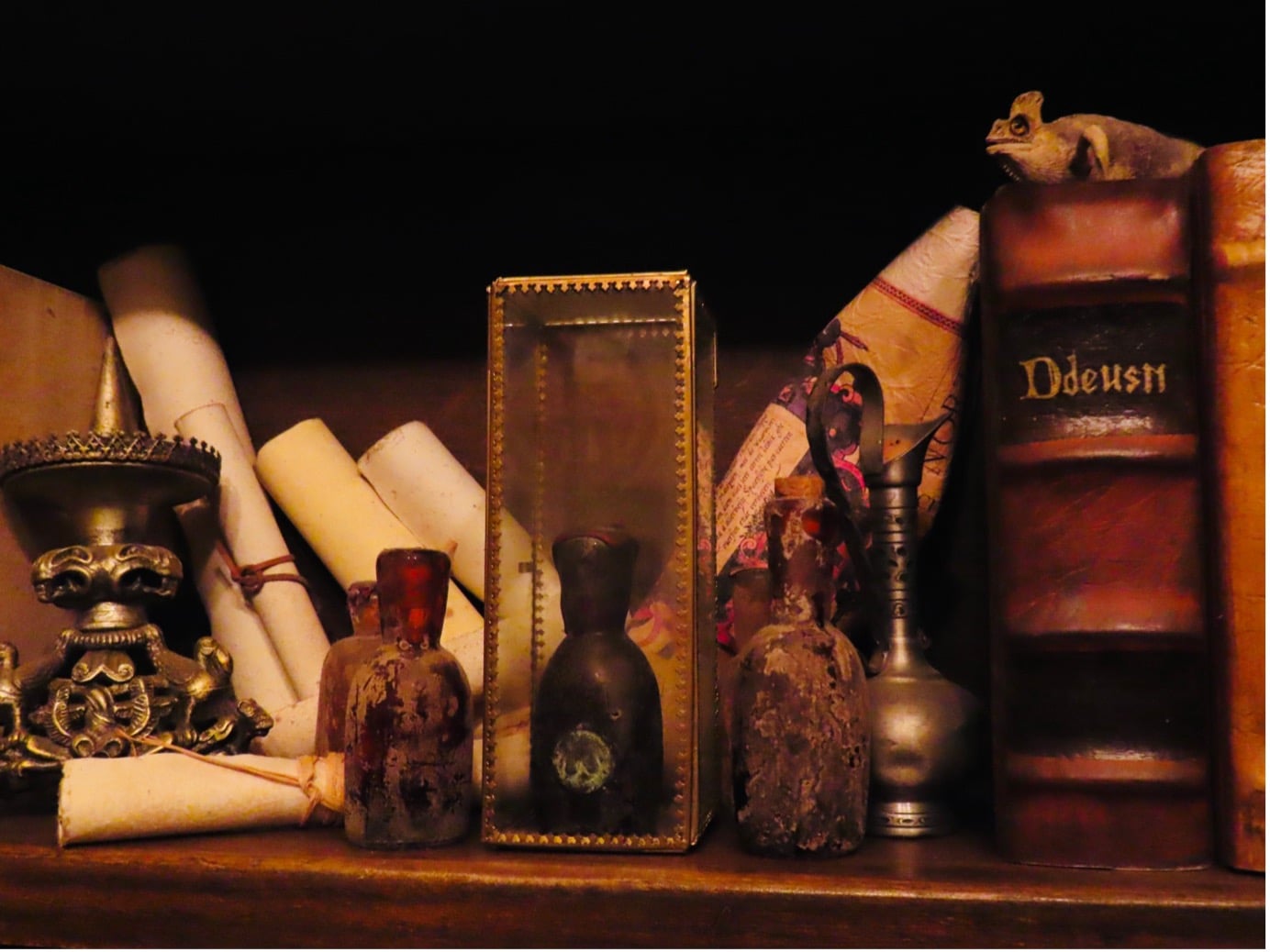
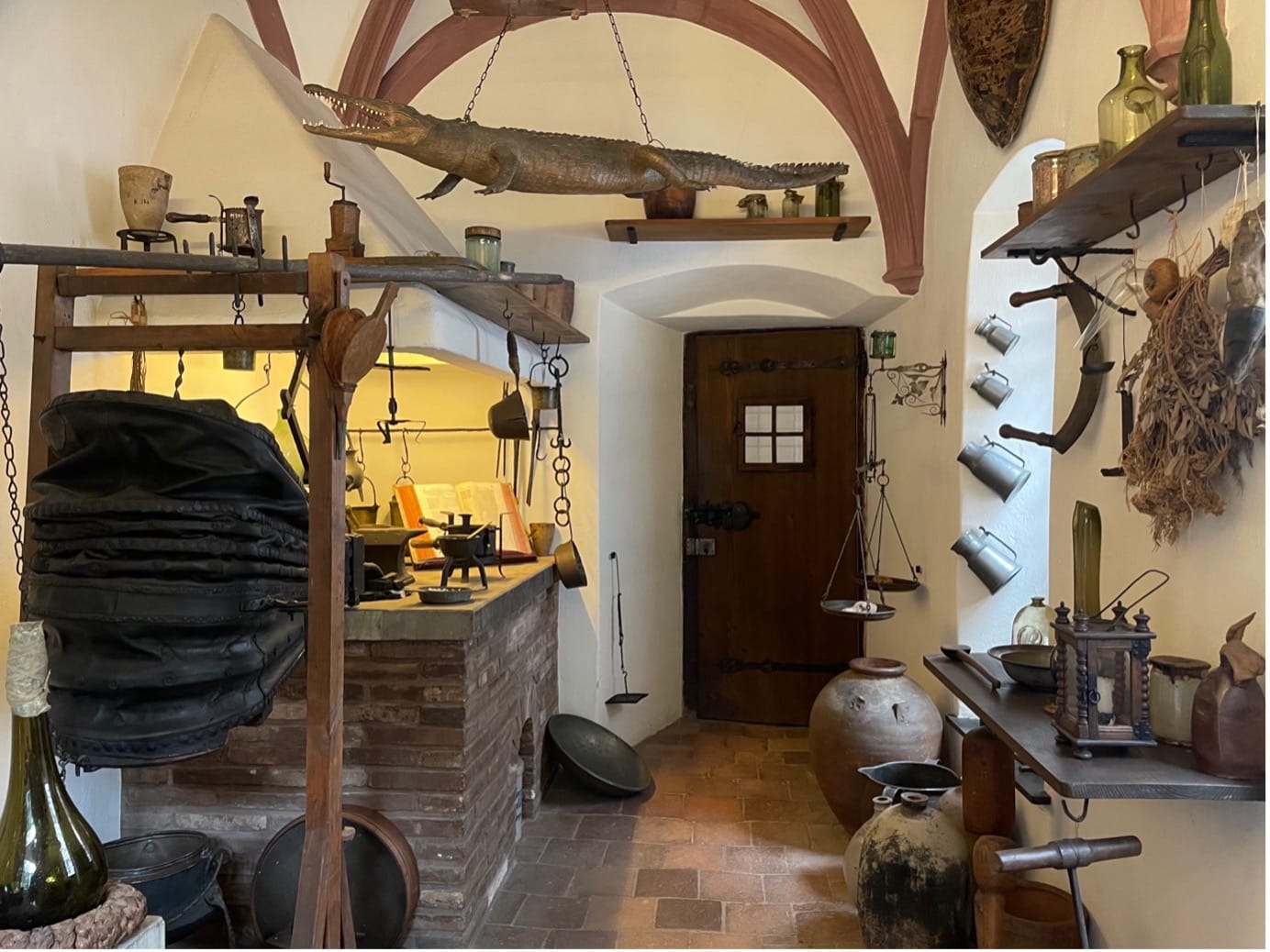
I was treated to an artistic performance by a guide showing us around the Museum of Alchemy in Prague. A concealed door behind a bookshelf revealed a spiral staircase leading to an underground crypt. Here in the 1500’s, alchemists working for King Rudolf II prepared elixirs, aiming to transform base metals to gold, provide immortality, or cure any disease. Many alchemists died from toxic exposure, poverty, or by execution following their unsuccessful endeavours to create an elixir.
We have to support our patients in understanding the role of medications and setting realistic goals for their health. While antibiotics can be revolutionary for some, medicines can cause harm or offer false hope. Often looking beyond medications and taking a whole person-centred approach can provide the greatest benefit.
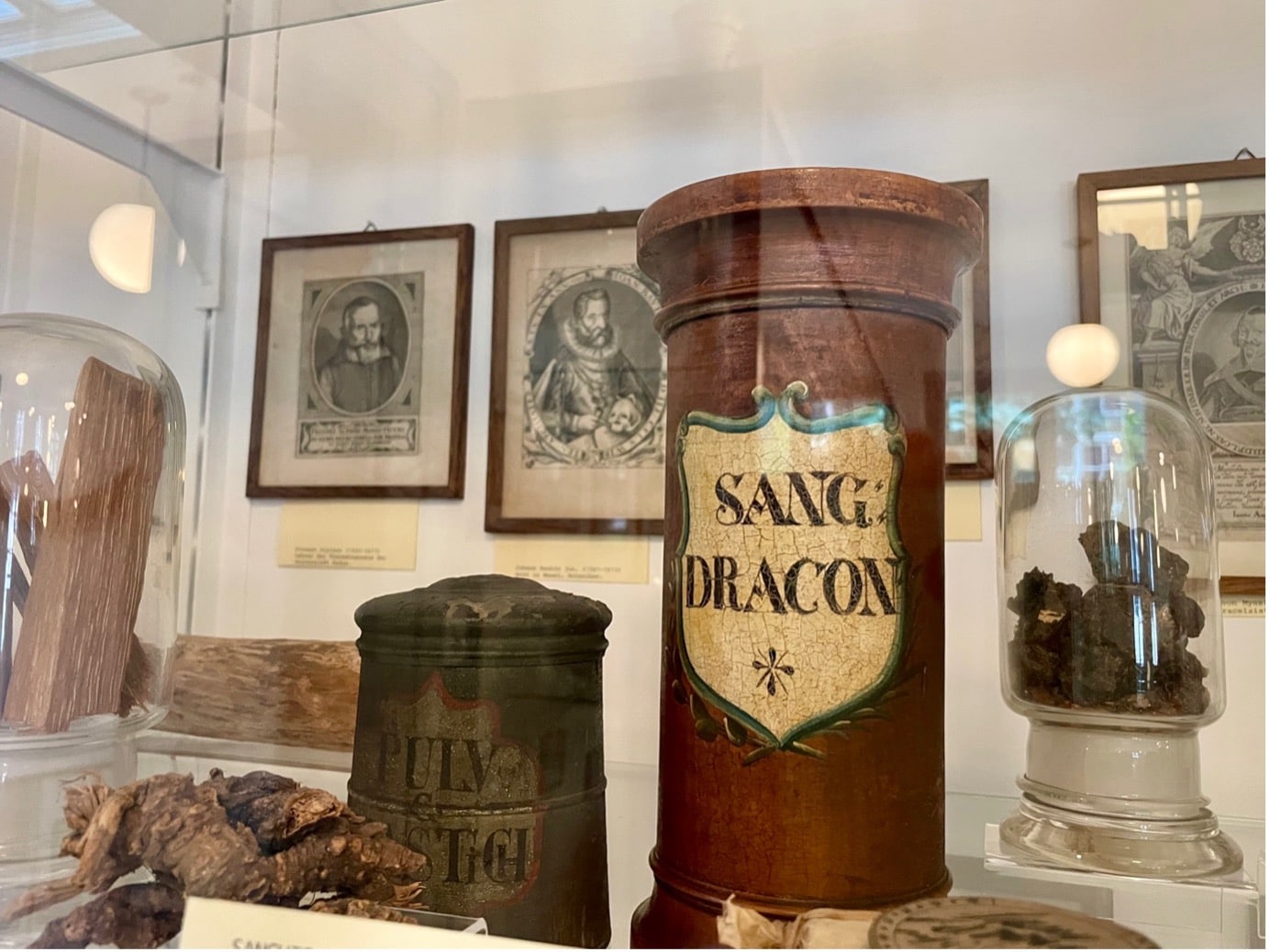
The Pharmacy Museum of the University of Basel is filled with artistic displays of historical remedies: dragon’s blood, derived from the resin of the dragon tree, used for epistaxis; the incense of ray egg shells used for bleeding haemorrhoids; and ground-up mummies used for blood purification. Not all of these early medicines lacked scientific value — for instance, a box labelled ‘Kina-Kina’ came from bark of the cinchona tree and provided an effective treatment for malaria!
When patients present to us for advice about new drug therapies, we need to keep an open mind and evaluate the evidence — while many may lack a scientific basis, discoveries like Kina-Kina could be revolutionary.
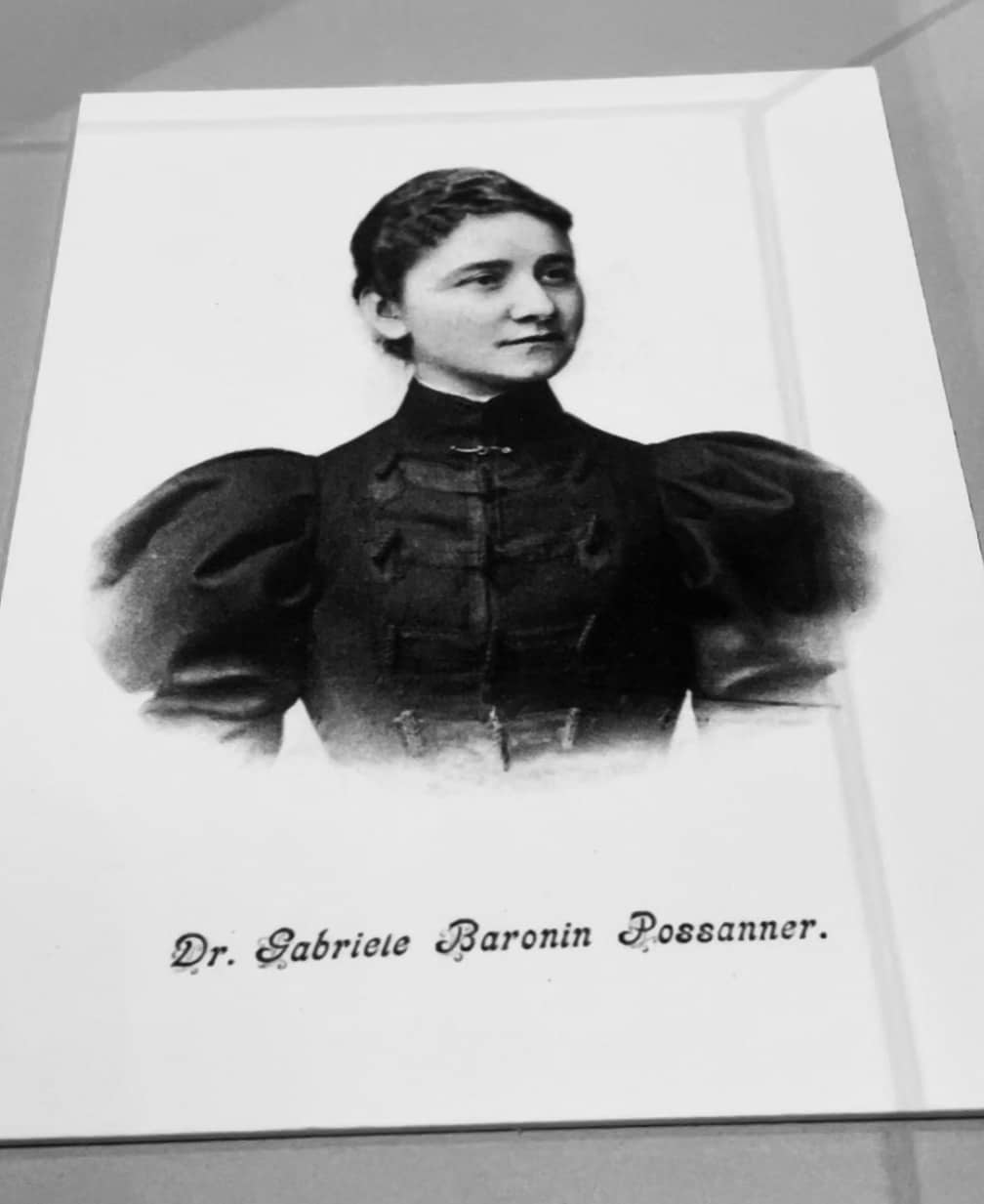
The Josephinum in Vienna has a display dedicated to a revolutionary woman, Gabriele Possanner. She faced significant adversity to become the first woman to graduate with a medical degree from the University of Vienna. An institute named after her now supports and promotes the scientific activities of women (https://www.gabrielepossanner.eu).
Women in medicine continue to face gender bias from both other medical professionals and patients. In respect to early pioneers like Possanner and to support ongoing positive change, it’s important that we continue to challenge bias against women in our profession and beyond.
The nearby Narrenturm in Vienna has a palpable history. Once a psychiatric hospital, the cold, damp rooms where patients were once held now contain a plethora of anatomical specimens preserved in formaldehyde. The exhibits of skin infections and congenital disorders are fascinating, but the setting itself leaves the most lasting impression. It’s important to consider how our healthcare environment influences consultations — providing a space where patients feel comfortable to discuss their health and we feel safe to practice is important.
In the 18th and 19th centuries, personal safety was a concern for people even after death. The Anatomical Museum of the University of Basel had an exhibit on body snatchers — people who hauled recently buried corpses from their graves to sell for dissection. Legal avenues for acquiring corpses were restricted beyond the gallows, so as interest in anatomical study rose, cadaver supplies became limited. Mortsafes — cages constructed from iron and often incorporating a heavy stone lid — helped to defend bodies from interference.
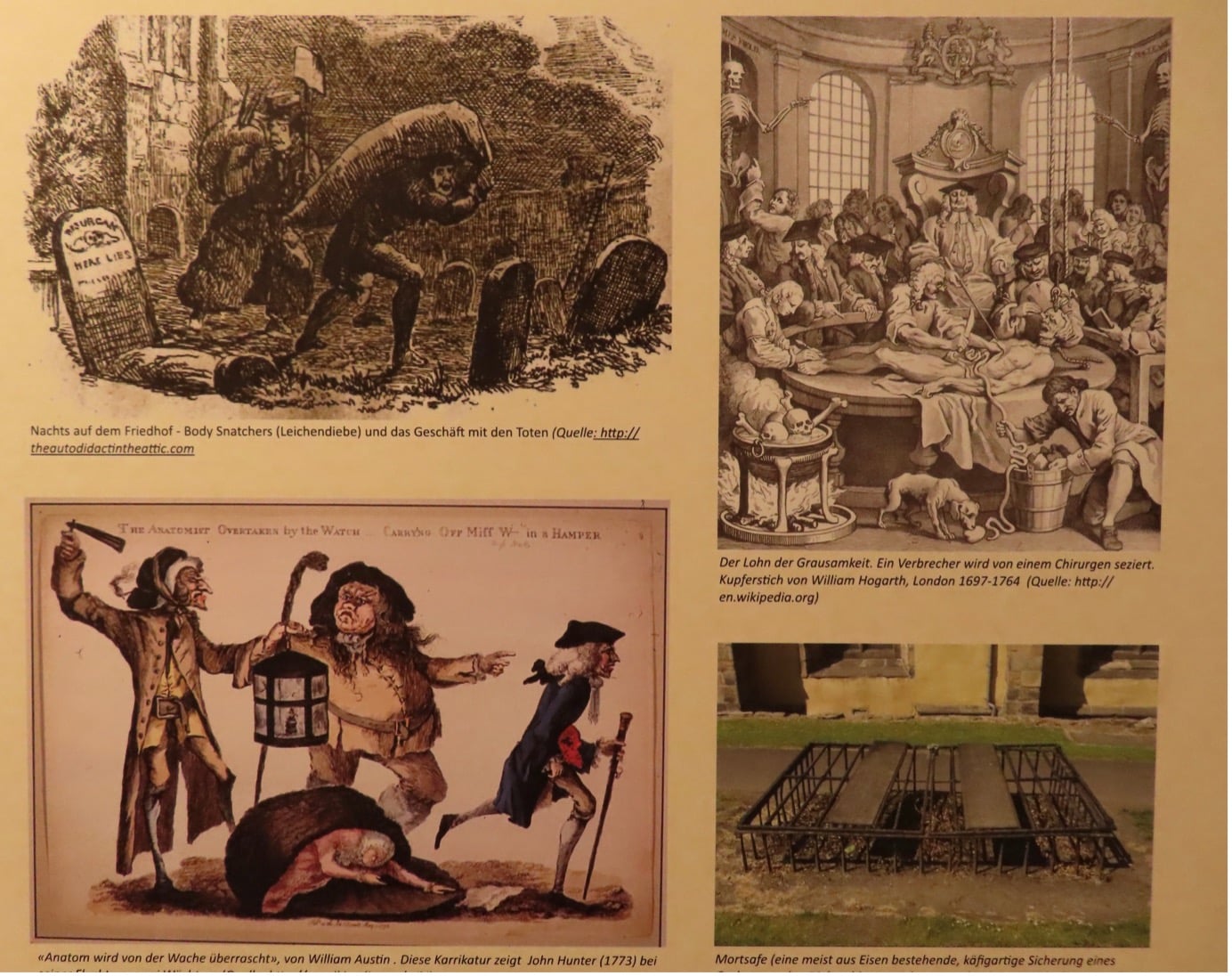
Charles Byrne, a man with untreated acromegaly, tried to protect his body after death. His gigantism earned him fame in the 1780s and John Hunter, an eminent surgeon and anatomist of the time, offered him money for his corpse. Byrne was keen to avoid his body being dissected and displayed, a fate reserved at that time for executed criminals. When his health was deteriorating, he arranged with friends to be sealed after death in a lead coffin and buried at sea. Sadly, his wishes were thwarted — Hunter arranged for Byrne’s body to be snatched on its way to the coast. Following public outcry, Byrne’s skeleton was recently removed from public display at the Hunterian Museum, around two centuries later.
Technological advances mean we don’t need to rely on dissection to understand the human body, though tissue specimens continue to be vital to medical research. My experiences have even helped to inform a clinical discussion about someone donating their body to medical science — thankfully, respect and consent are pivotal to our modern-day practice.
There are numerous other medical curiosities I’ve found, from notes made by Sigmund Freud to fragments of Beethoven’s skull, analysed to determine why he became deaf. The anatomical exhibits of Padua in Italy are next on my list to explore — hopefully I’ve inspired you to go and discover your own collection of medical curiosities!
Reference
1. Machin A. Art and medicine. https://www.wisegp.co.uk/post/art-and-medicine (accessed 28 Jan 2026).
All photos featured were taken by Annabelle Machin.