
 Emma Ladds is a GP partner in West Oxfordshire and a DPhil student at the University of Oxford researching the GP-patient relationship in contemporary general practice.
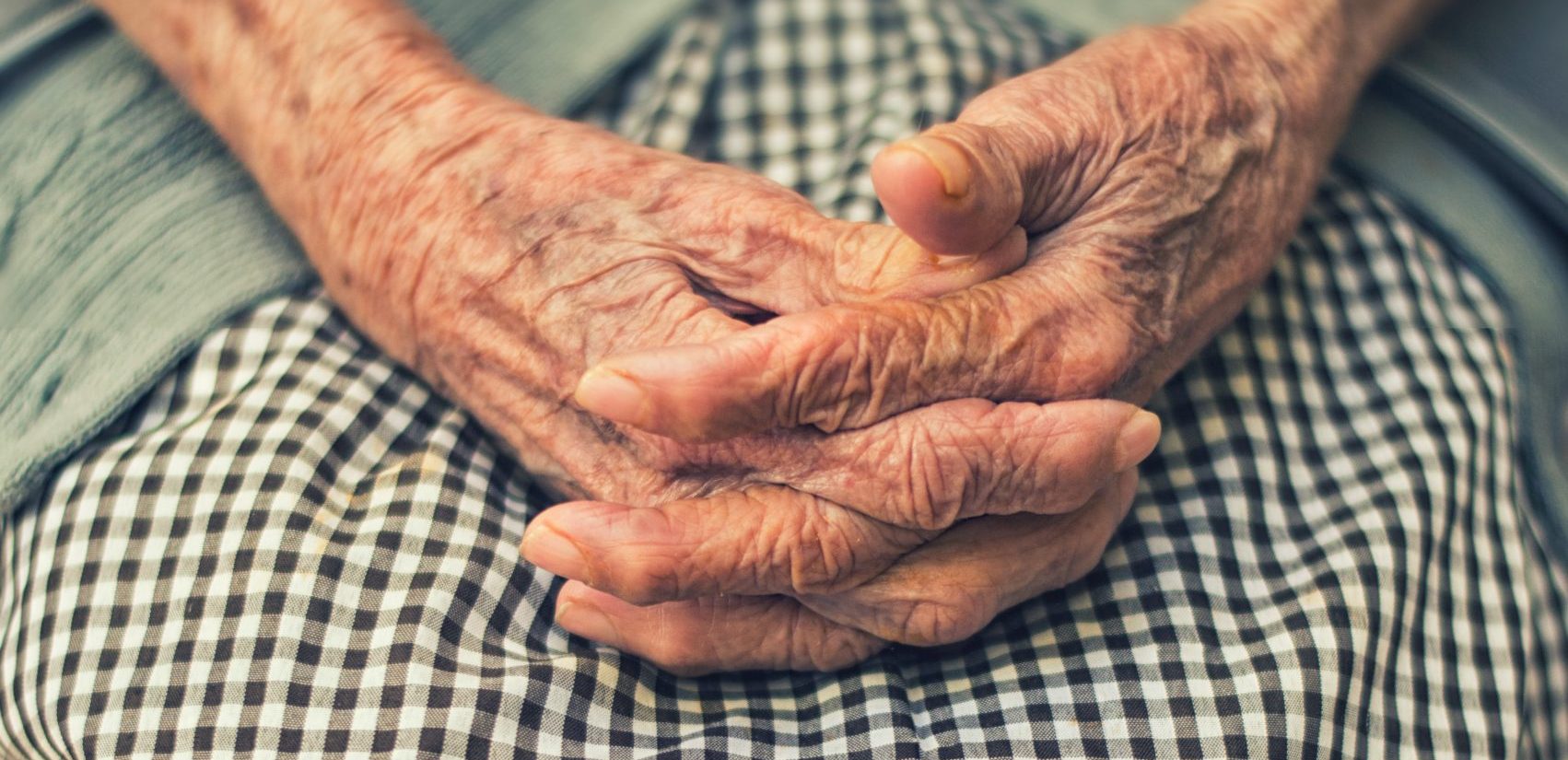
“Put her up on the bed with me,” she commanded, gesticulating wildly towards the window. I bent down and lifted the dog up onto the duvet as ordered. Hazel* reached out and her hand met the small white form. She could barely see now – age and the disfiguring tumour. She smiled as she felt the fur beneath her fingers.
Hazel had been dying for several years. She had fought the cancer on her lungs and her progressive heart failure, rejecting any proffered treatment or hospital admissions. When the tumour started invading, she had been equally stoical. “Why would I want to go to hospital?” She had asked when I offered a referral to further specialists. “This is my home. I want to spend my time here.”
The Executive Summary of the NHS 10 Year Health Plan published in July 2025 uses the word ‘care’ 72 times In only one instance is it used as the verb, ‘to care’.
Hazel had no next of kin. Her partner had died several years earlier – one of my first patients. All she had was her dog and a neighbour who came in daily, caring for her like family.
The Executive Summary of the NHS 10 Year Health Plan published in July 2025 uses the word ‘care’ 72 times In only one instance is it used as the verb, ‘to care’. In each of the other 71 uses it is a noun – ‘health care, model of care, care planning, community care etc.’ Even in its verbal usage, it relates to how the development of technological and artificial intelligence approaches will ‘free up time for staff to care and to focus’ on the patient.1
The clear implication is that without such technological support, this currently happens less than it should.
With Germanic roots meaning ‘lament, sorrow, or worry’, the meaning of ‘care’ progressed through Old English, where it came to also mean ‘grief, anxiety or mourning’, before taking on its current meaning of ‘oversight, attention, or heed’, with the sense of providing protection or aid.2
For those of us in the frontline of ‘caring’ professions and for those receiving ‘care’, the importance of the earlier derivation is obvious. Moreover, ‘to care’ often implies a state of being as much as doing, whilst ‘care’ in its nominative sense suggests a set of actions or activities.
I have ‘done’ very little for Hazel for the past few years. On occasion I have titrated her diuretics, tried alternative analgesic approaches, and endeavoured to ensure her wishes about staying at home were respected. The district nurses with their daily dressing changes, the carers with their thrice-daily visits to feed, wash, and comfort her, and her amazing neighbour have done much more than me.
However, I have tried to be there.
I have tried to visit – not as much as I would have liked, but enough that I hope she felt I took oversight of her needs and paid her attention when she required it. I would like to feel that I lamented with her about the trials of life and bore witness to her sorrows or worries – even if sometimes this took the form of laughter or teasing. I have taken medical students to spend time with her in the hope that they too could mourn and mark a life coming to an end. To me these are all acts of ‘care’.
And yet the 10 Year NHS Health Plan Executive Summary speaks of ‘transformational change’, ‘new models of care that are fit for the future’, patients carrying a ‘doctor in their pocket through the NHS App’, where ‘GPs work over larger geographies’, and where ‘5 transformative technologies – data, AI, genomics, wearables, and robotics – technologies’ are foregrounded to ‘increase productivity and boost economic growth’.
It mentions ‘to care’ once and these kind of activities of bearing witness to life not at all.1
Heath and Montori have argued that there is a ‘crisis of care’ in global healthcare systems They describe how care occurs in the spaces between people, between humans in interaction. There are two responses to this crisis they claim, the first ‘sees people as insufficiently studied biological machines [where] if only the healthcare industry could access and use everyone’s biomedical and socioeconomic data, then their needs could be predicted, and a healthy future would be assured for all.’3
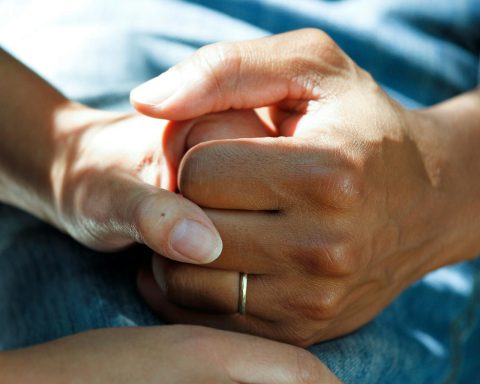
However, as they point out, this response focuses only on what makes living possible, not what makes it meaningful. They argue that true care goes beyond evidence-based guidelines or population metrics to build connections, invent ways forwards, and offer hope that things may be better in the future and bear witness to the uncertainties or fear that it may not be. It is born out of human interaction and relationships. It is what I have tried to offer Hazel.
[Care] is born out of human interaction and relationships. It is what I have tried to offer Hazel.
There is undoubtedly much that is true within the 10 Year Plan and much that could be improved with more advanced technologies or altered approaches. However, the risk – which many in the caring professions can already see – is that the ability ‘to care’ in the sense of being with, bearing witness, and delivering the connection that patients truly need will be lost.
“When will I go?” Hazel asked me last week as I sat next to her on her bed. “When you’re ready to let go,” I replied. She took a sip of water, her milky eyes not leaving mine. “Thank you,” she said.
I read the report from the out of hours team on Monday. I had known it was coming for a long time, but my stomach still plummeted. Death verified at 0645. I walked down the corridor to the paramedic’s room. He too would be sad she was gone.
“Bugger. Oh bugger,” he said. “I didn’t get to say goodbye.”
*Deputy Editor’s note: The patient is deceased and there are no next of kin. They have been de-identified, with details of the situation changed, in accordance with GMC guidance. Explicit permission has been obtained from any colleagues mentioned.
References:
- https://assets.publishing.service.gov.uk/media/6888a0996478525675738f3a/fit-for-the-future-10-year-health-plan-for-england-executive-summary.pdf [accessed 17/11/25]
- https://www.etymonline.com/word/care [accessed 17/11/25]
- Heath I, Montori VM. Responding to the crisis of care. BMJ. 2023 Feb 24;380:464. doi: 10.1136/bmj.p464. PMID: 36828555. https://www.bmj.com/content/380/bmj.p464
Featured photo by Danie Franco on Unsplash