

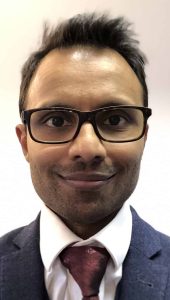
 Neetul Shah is a GP partner and educator, previous Primary Care Fellow in equality, diversity and inclusion at Thames Valley and Wessex Primary Care School. He is LinkedIN.
As I reached the mid-point of my career as a GP, I found myself pausing to reflect on where I was professionally and on what more I wanted to contribute. Being selected for the Fellowship in Equality, Diversity and Inclusion came at exactly the right time. I was seeking something meaningful: a space to challenge myself, to learn, and to develop in ways that my day-to-day clinical and teaching roles didn’t always allow.
I felt both honoured and curious stepping into this new role. From the outset, I was fortunate to have a supportive supervisor who not only offered guidance, but who also created space for me to grow, to test ideas, and to present my work to wider audiences across primary care. This mentorship was a key part of my journey, offering both structure and encouragement.
Exploring Neurodiversity in the Workplace
My chosen area of focus was neurodiversity – a topic that I had long been interested in but hadn’t yet had the time or framework to explore in depth. I wanted to shine a light on the experiences of neurodivergent colleagues in the workplace, not just the challenges they may face, but also the often-overlooked strengths they bring to teams.
I became increasingly aware of how little structured support or training there was in primary care when it came to understanding neurodivergence among colleagues not just patients.
The first few months were a deep dive into learning. I attended webinars, conferences, and spent time reading and listening. Much of this was new to me, and I found myself rethinking some of my assumptions. I became increasingly aware of how little structured support or training there was in primary care when it came to understanding neurodivergence among colleagues not just patients.
To explore this further, I developed a survey to understand current knowledge and perceived learning needs across primary care teams. This was a steep learning curve from the technical aspects of using Microsoft Forms to thinking carefully about how to ask meaningful, nonleading questions. The responses gave me insights into gaps in understanding, areas of interest, and most importantly, a sense that others were also keen to learn more.
Creating and Sharing Meaningful Training
Based on the survey findings, I developed a training session designed to raise awareness of neurodiversity in the workplace. I focused on practical, realistic changes that teams could implement with a shift in perspective and approach.
Delivering this training has been one of the most fulfilling parts of the Fellowship. I’ve shared it with primary care educators, learning leads, and practice teams. Each session brought new questions, conversations, and sometimes, deeply personal reflections from attendees. Presenting at the Thames Valley Annual Teachers’ Conference was a highlight, and I look forward to speaking at the Wessex LMC in the coming months.
The feedback has been overwhelmingly positive, and colleagues appreciated the opportunity to learn in this space, and many shared how the session had prompted them to think differently. That, for me, has been the biggest indicator that this work matters.
Learning, Growth and Connection
Looking back, this Fellowship has been a space for reflection, re-connection with purpose, and real growth.
The Fellowship offered space for personal and professional growth. The monthly CPD sessions offered an opportunity to reflect on my values, leadership style, and how I show up in different spaces. The small group discussions were engaging and we supported each other through challenges, celebrated each other’s wins, and shared honestly. I hope to carry these connections forward beyond the end of the Fellowship.
Having protected time to attend webinars, conferences, and even complete a leadership course with The King’s Fund was a rare and much-appreciated opportunity. It allowed me to step back from the ‘doing’ and invest in my own development as a leader and educator.
Looking Ahead
I’m currently writing up a teaching report based on the survey and training sessions, with the aim of publishing in a medical education journal. More than that, I hope to continue advocating for greater awareness and inclusion of neurodivergent professionals in healthcare settings.
Looking back, this fellowship has been a space for reflection, re-connection with purpose, and real growth. I would encourage any GP whether early in their journey or more established like myself to consider applying. Having dedicated time, mentorship, and a community to grow alongside has been both a privilege and a turning point in my career.
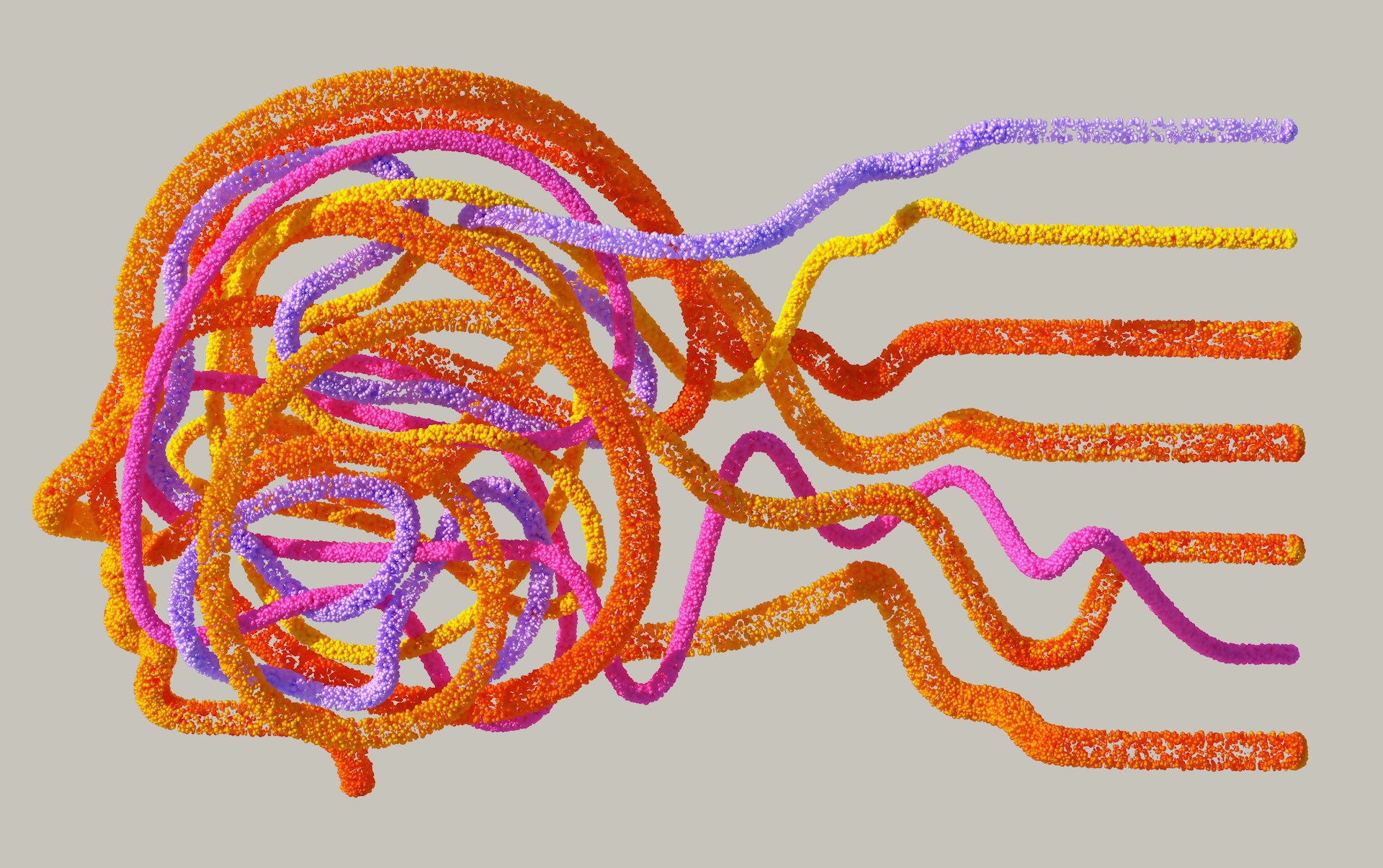
Featured photo by Google DeepMind on Unsplash.