 Andrew Papanikitas is Deputy Editor of the BJGP.
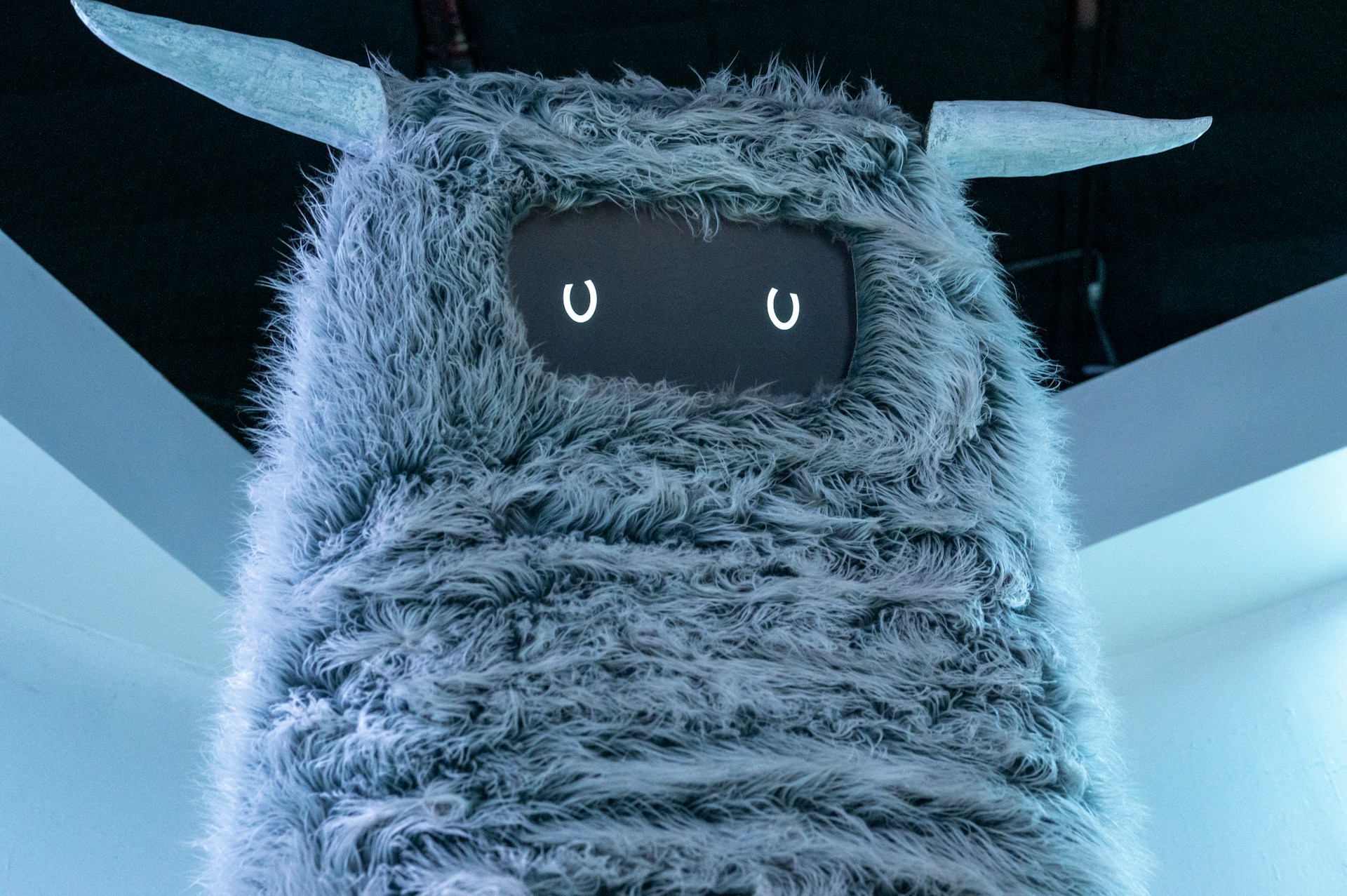
Not Now, Bernard is a children’s picture book written and illustrated by David McKee. It is one that I have been reluctant to read to my children — it gave me nightmares as a child. Bernard tries to attract the attention of his preoccupied parents who reply ‘Not now, Bernard’. Bernard goes into the garden and encounters a monster that eats him. The monster goes into the house and tries to attract the parents’ attention but gets the same reaction from them, completely oblivious to the monster replacing their son. The monster lives Bernard’s life, but more badly behaved, for the rest of the day and, at bed time, tries to tell Bernard’s mother he is a monster, but she replies ‘Not now, Bernard’. Still in print more than 40 years since its initial publication, an updated 45th-anniversary edition was released in 2020.1 In the new edition, Bernard’s parents are now also preoccupied by their digital devices. I find that this brutally bleak story speaks to us all on so many levels. Our professional, personal, and political preoccupations threaten to blind us and our policymakers to the existential dangers of our age. If I ever do read this book with my children, I’d like to discuss the ways we can change Bernard’s fate, and why it’s a story and not a prophesy. Some of these changes need to be parent-led and others led by Bernard. This combination of forewarning and forearming is illustrated here in our selection for Life and Times.
Seeing and thinking clearly
Nada F Khan discusses fixation error, which happens when we lock onto a particular diagnosis or route of action.2 It can mean that we become so focused on one problem we think we can solve, and fail to see the mounting evidence that we might be on the wrong track and have lost sight of a more critical issue. Some of the best received wisdom unlocks thinking rather than tells you what to do: I review From Error to Ethics: Five Essential Lessons from Teaching Clinicians in Trouble, by barrister and medical ethicist Daniel Sokol.3 He outlines lessons for all of us from helping doctors in professional difficulty. The book also distils an introduction to historic physician Sir William Osler and a collection of aphorisms that still hold true. Read and reflect!
Facing the future — don’t look away
For the last 2 years I’ve been fortunate to work with Joanne Reeve and her team on the Hull York Medical School Catalyst Project (https://catalyst.hyms.ac.uk) — a community of practice for newly qualified and returning GPs underpinned by evidence-based practice and the Wise GP movement. One of the more rewarding sessions we ran was on facing and shaping the future, tackling, among other things, artificial intelligence (AI) and climate catastrophe. In Life and Times we frequently tackle major existential threats in practice and here are some great examples.
“In Life and Times we frequently tackle major existential threats in practice and here are some great examples.”
Sati Heer-Stavert uses art to help students connect a patient’s condition to the broader impacts of planetary health.4 GPs should encourage students to examine this remarkable situation, even if others decide it is easier to look away. Mareeni Raymond shows us how to embed sustainability in primary care, reflecting on the Green Impact for Health toolkit in City and Hackney.5 Environmentally-friendly practice was incentivised to boost patient wellbeing, practice sustainability, and the planet.
Ben Hoban looks to our tech future: the real question is not whether AI can make GPs more efficient, but whether it can uphold the artisanal values of general practice at a time when efficiency seems to be all that matters.6 Richard Armitage discovers worrying research that AI may be making us all a bit more stupid.7
Summer reading
There’s still some time for improving reading as the days begin to draw in. Terry Kemple reviews 50 Sentences That Make Life Easier: A Guide for More Self-Confidence by Karin Kuschik.8 Scripted sentences do have their uses. Alex Burrell shares a variety of research items from Yonder.9
I invite you not to look away. I invite you to read this month’s Life and Times while retaining hope and agency. Ok Bernard. We are listening.
References
1. McKee D. Not Now, Bernard. London: Andersen Press, 2020.
2. Khan NF. Fixation error: when thinking fast becomes a patient safety risk. Br J Gen Pract 2025; DOI: https://doi.org/10.3399/bjgp25X743205
3. Papanikitas A. Books: from error to ethics: five essential lessons from teaching clinicians in trouble. Br J Gen Pract 2025; DOI: https://doi.org/10.3399/bjgp25X743097
4. Heer-Stavert S. The fall of icarus: using art to teach medical students about planetary health. Br J Gen Pract 2025; DOI: https://doi.org/10.3399/bjgp25X743193
5. Raymond M. Embedding sustainability in primary care: reflections on the green impact for health toolkit in city and hackney. Br J Gen Pract 2025; DOI: https://doi.org/10.3399/bjgp25X743217
6. Hoban B. Technology and values in general practice. Br J Gen Pract 2025; DOI: https://doi.org/10.3399/bjgp25X743169
7. Armitage R. Your brain on chatgpt. Br J Gen Pract 2025; DOI: https://doi.org/10.3399/bjgp25X743181
8. Kemple T. Books: 50 sentences that make life easier: a guide for more self-confidence. Br J Gen Pract 2025; DOI: https://doi.org/10.3399/bjgp25X743085
9. Burrell A. Yonder: physician’s end-of-life care preferences, diagnostic labels, electronic health record interoperability, and opioid prescriptions. Br J Gen Pract 2025; DOI: https://doi.org/10.3399/bjgp25X743229
Featured photo by David Brooke Martin on Unsplash.