
Elke Hausmann is a GP in Derby.
Anybody who studies medicine and works in clinical practice, especially in general practice, has probably more than a passing interest in psychology. We may not have studied the subject psychology, but we will all have had our share of exposure to psychological concepts that we will also apply in our work.
Although I’m interested in psychology (I’m interested in ‘people’), I was never that keen on studying psychology, and after reading this book I understand much better why that may be the case (and it’s not just that psychology tries to convert all of human experience into numbers — how happy are you right now on a scale from 1 to 10?).
“… the actual discipline of psychology is steeped deep in conservatism on a fundamental level…”
This is a book that puts much into context. It goes into the history of psychology and explains why, even though the majority of contemporary psychologists may have a liberal or progressive outlook, the actual discipline of psychology is steeped deep in conservatism on a fundamental level that shaped how it developed over time, including an earlier period where eugenics was not only endorsed by psychology but promoted by it, and Brian M Hughes’ persuasive thesis is that a lot of that history lives on.
Some people might be put off by the book’s title, thinking that this is a book that perpetuates our current so-called ‘culture wars’, and never get as far as reading this paragraph. However, that would be a shame, as in fact I would argue that this book does a lot of work towards explaining the culture wars and what they are actually about. Much of it is a diversion to obscure what is really going on in our societies and politics at present, with profound effects on individuals’ lives (which psychology itself often ignores, due to the ‘field’s intrinsically depoliticised orientation, in which all problems are supposed to be viewed individuocentrically, with political and social factors left ignored’ [p.308]). This book could not be more timely.
Anyone who has read any of my previous articles will know that I am engaged with the discussions around long COVID and myalgic encephalomyelitis, and part three of this book addresses those topics, among references to other medical conditions. This section deals with ‘the psychologising of the sick’ (beyond the chapter with that title), and any GP who isn’t aware that our treasured ‘biopsychosocial’ approach to patients is not universally seen as positive by everyone (and with good reason), will find a lot of background information as to why that is the case. You will gain a much deeper understanding of the wider context in which we diagnose and treat our patients, and it may even change your practice.
I can only recommend this wide-ranging and rich book to any doctor interested in psychology, as you may find (like I did) that you will learn a lot more about psychology (and our current social climate) than you could do from any psychology textbook.
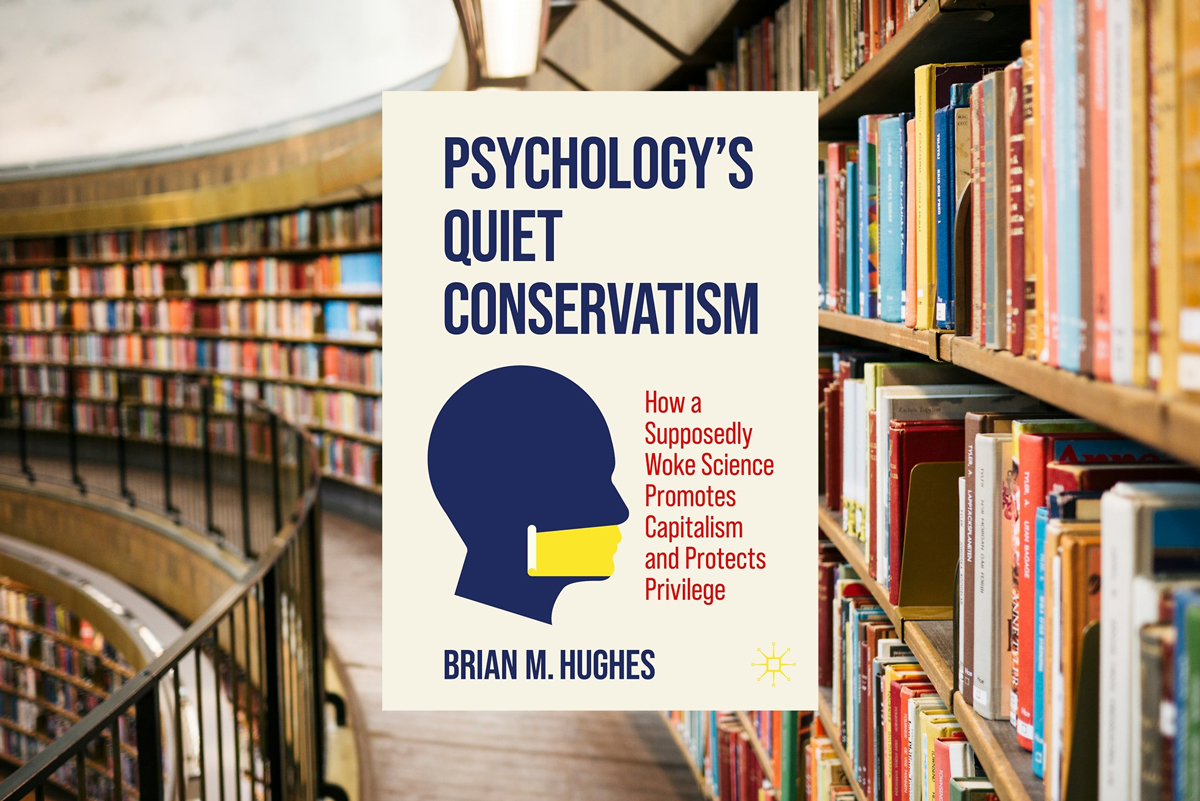
Featured book: Brian M Hughes, Psychology’s Quiet Conservatism: How a Supposedly Woke Science Promotes Capitalism and Protects Privilege, Palgrave Macmillan, 2025, PB, 384pp, £24.99, 978-3032077233.
Featured photo by Susan Q Yin on Unsplash.