

Phoebe Lyons is an GP trainee in the North West of England.
As a 27-year-old resident doctor, I have been involved in many palliative care situations and feel passionately about patients having a ‘good death’. It was with the belief that it is possible for everyone to have comfort at the end of their life, that I found myself caring for my grandmother at the end of hers.
Many have discussed the challenges informal caregivers face with end-of-life care in the community.1-7 By recounting my experience, I hope to add further insight from the perspective of a resident doctor acting in this role.*
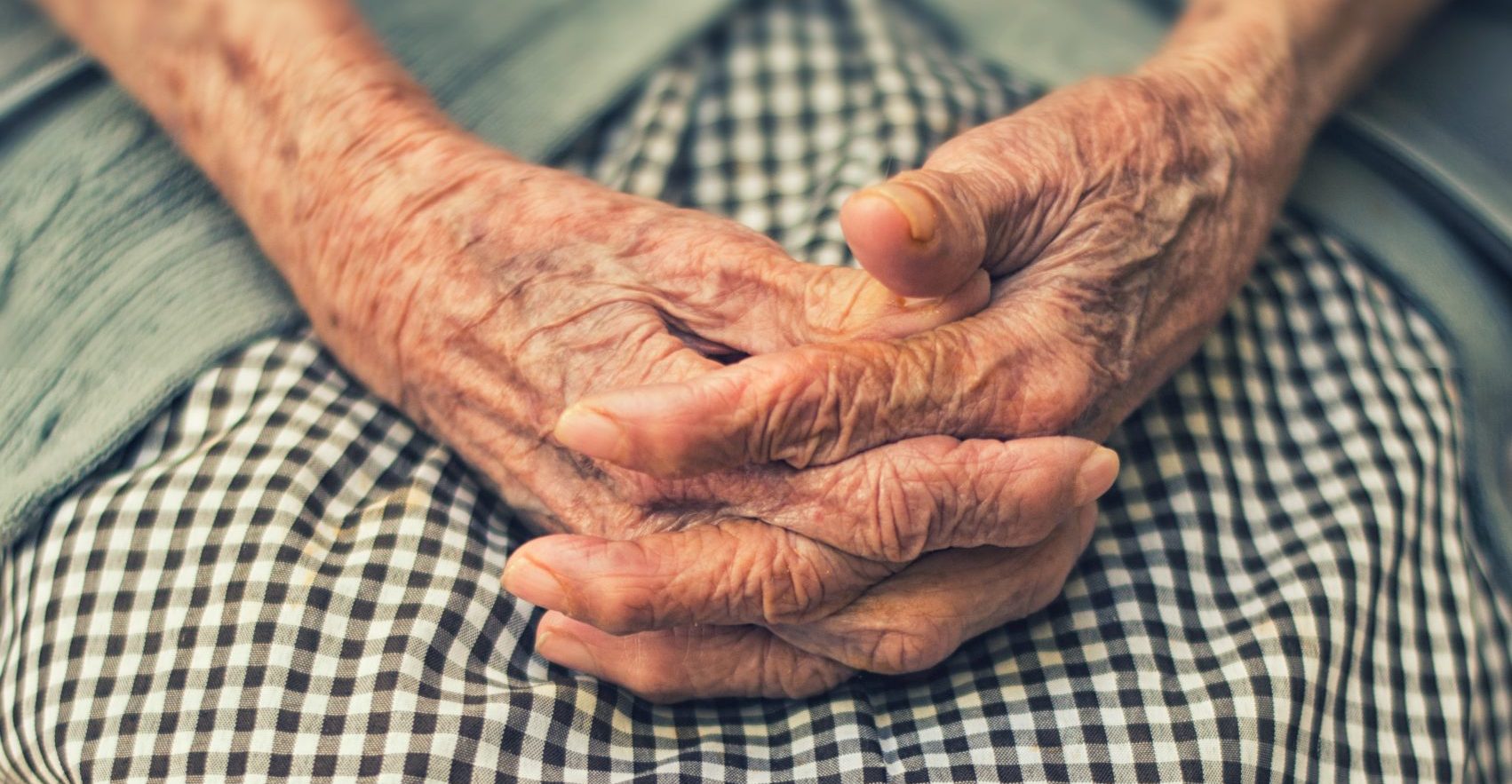
My grandmother was a very fit nonagenarian, who filled her weekly schedule with tap dancing, chair-based exercise classes, arts and crafts and regular coffee mornings. Unfortunately at the end of 2024, what started as a seemingly innocent swollen leg quickly developed into a diagnosis of metastatic ovarian cancer within a matter of weeks. The gynaecology team explained the prognosis, and it was decided that my grandmother’s treatment would focus solely on symptom control as her disease progressed. My mother (a paediatric nurse by background and her daughter) moved into my grandmother’s home and cared for her for three months as she developed nausea and vomiting associated with a recurrent large ascites.
My grandmother was a very fit nonagenarian, who filled her weekly schedule with tap dancing, chair-based exercise classes, arts and crafts and regular coffee mornings.
She received fortnightly then weekly visits from the district nursing team who checked in on her symptoms, and provided guidance on many aspects of her care. It was at the end of those three months, when my grandmother started to become confused, that my mother asked if I could move in to help. It was my grandmother’s distinct wish to die in her own home, and one that all of the family wanted to ensure was granted.
After I moved in, her mild confusion progressed to terminal agitation over the subsequent days. As she had always been sharp as a tack, this was shocking to witness, even with our knowledge that agitation is a core symptom of end-of-life. This manifested as her plucking at bedclothes continuously, being unable to sleep, not knowing her surroundings, and it also seemed to be made cyclically worse by her remaining continence. At this point, my grandmother required round the clock observation to ensure she didn’t come to any harm.
We were focused on keeping my grandmother comfortable at home, managing well with the addition of twice a day home carers and despite our own broken sleep and depleting energy levels. We did not think to rely on the district nurses for further support in between their scheduled visits, even though her symptoms were increasing. My mother and I have both reflected on this since and know that our medical backgrounds must have somewhat contributed to our unintentional stoicism.
One night before the next weekly nursing visit, my grandmother’s swallow became unsafe, and she was no longer able to take her oral medication for agitation and breakthrough pain. We were relieved that the nurses were coming to visit the next day, knowing that she would benefit greatly from a syringe driver. She was experiencing persistent symptoms despite us administering as required medication.
When the nurse arrived, she listened to us describe the last week and agreed that a syringe driver and a catheter were indicated. However on return with the catheter supplies, after discussing it with the community team, she advised they were going to provide subcutaneous anticipatory medications as and when required over the next 24 hours in order to assess my grandmother’s needs, before considering a syringe driver.
Our hearts sank at this, knowing she would continue to be agitated over the next day. At first, I was confused why they didn’t believe our account of her symptoms. Rationally, though, I understood they did believe us, they just couldn’t rely on our word alone to prescribe doses for a syringe driver. In their eyes we were family members, not clinicians.
Some studies on this topic discuss caregivers’ experiences of having to advocate for the patient’s need for anticipatory medication.1, 2 However, others consider the community nurses’ challenging decision of when to administer medication, and that it must be independent of caregiver request despite their valuable insight into the patient’s condition.8 This contrast highlights some of the additional difficulties associated with end-of-life care at home compared to hospice or hospital care, and the importance of shared decision-making between patients, caregivers and the community palliative care teams.
Over the next 24 hours, my grandmother required five visits from the district nursing team and 20mg of subcutaneous midazolam in total to keep her comfortable. To their credit, they came as quickly as they feasibly could every time. As clinicians ourselves, we were confident in identifying when she required more medication, however this is not the case for many informal caregivers in the community.[1] The following day a syringe driver was connected and my grandmother remained settled after this for her final three days, only requiring small amounts of additional medication. The district nurses then provided daily visits, and I felt I could return to the role of granddaughter and was relieved that she was truly comfortable and able to have a ‘good death’.
My grandmother died in her own home, with myself, my mother and my sister by her side in her final moments.
With time passing, I have been able to reflect on my experience and how being a doctor impacted my caregiving. I only now fully understand the challenges of being a family member caring for a loved one, particularly at the end of their life. I know the true helplessness you feel, waiting for the nurses to arrive to administer medication, when a loved one is experiencing symptoms.
Caring so much for a loved one means it is difficult to step back and evaluate a situation the same way you would if you were a doctor with a patient.
End-of-life care at home is provided by the family in the majority of cases.3 Having never experienced it before, I didn’t know exactly what to expect and many informal caregivers in this situation feel unprepared for the responsibility they face.4,5 Clear, honest communication from clinicians regarding the dying process and the indications for anticipatory medications is essential early on, and data suggests this is sometimes lacking from services.1
Caring so much for a loved one means it is difficult to step back and evaluate a situation the same way you would if you were a doctor with a patient. I do wish we had leaned on the district nurses more as my grandmother’s agitation progressed, however if there had been more scheduled check ins, such as via phone call, it would definitely have helped. I don’t think we are the only caregivers that have accidental stoicism, and informal caregivers often have doubts about when to call the community nurses, for example, to request anticipatory medications.1
There are studies which discuss the benefit of palliative care teams using daily feedback tools, to assess patient and carer needs at end-of-life.6,7 If tools like this had been used during our experience, we would have benefitted greatly, particularly in the difficult transition period switching from oral to subcutaneous medications. I have now seen how great community end-of-life care can be, and it has prompted me to think on ways it can be further improved. As an incoming GP trainee, I hope I can emulate good palliative care at home in my practice, with a focus on the emerging needs of patients and their caregivers as their condition progresses.
*Deputy Editors’s note: Evidence of appropriate consent has been provided by the author.
References:
- Bowers B, Pollock K, Barclay S. Simultaneously reassuring and unsettling: a longitudinal qualitative study of community anticipatory medication prescribing for older patients. Age and Ageing. 2022 Dec 1;51(12):afac293.
- Payne S, Turner M, Seamark D, et al. Managing end of life medications at home—accounts of bereaved family carers: a qualitative interview study. BMJ Support Palliat Care. 2015 Jun;5(2):181–8.
- Wolff JL, Dy SM, Frick KD, et al. End-of-Life Care: Findings From a National Survey of Informal Caregivers. Archives of Internal Medicine. 2007 Jan 8;167(1):40–6.
- Bucher JA, Loscalzo M, Zabora J, et al. Problem‐Solving Cancer Care Education for Patients and Caregivers. Cancer Practice. 2001 Mar;9(2):66–70.
- Xu Y, Liu Y, Kang Y, et al. Experiences of family caregivers of patients with end-of-life cancer during the transition from hospital to home palliative care: a qualitative study. BMC Palliative Care. 2024 Sep 27;23(1):230.
- Wakefield D, Booth Z, Fay M, et al. How can healthcare professionals better support family caregivers in the final days of life: Could the “Family’s Voice Diary” help? A qualitative study based in an area of high socio-economic deprivation. Palliat Care Soc Pract. 2025 May;19:26323524251340707.
- Ewing G, Brundle C, Payne S, et al. The Carer Support Needs Assessment Tool (CSNAT) for Use in Palliative and End-of-life Care at Home: A Validation Study. Journal of Pain and Symptom Management. 2013 Sep;46(3):395–405.
- Wilson E, Morbey H, Brown J, et al. Administering anticipatory medications in end-of-life care: A qualitative study of nursing practice in the community and in nursing homes. Palliat Med. 2015 Jan;29(1):60–70.
Featured photo by Danie Franco on Unsplash





Very useful article. Thank you