

 Kathrina Crystallis is a London-based GP with expertise in food systems, nutrition, and prevention, taking a whole-systems approach to human health. She is on LinkedIN.
As GPs, many of the conditions we treat are linked to diet. Modern medicine has become increasingly interested in food as a determinant of health, and rightly so. We frequently give patients dietary advice and generally encourage a balanced diet, five portions of fruit and vegetables a day, more fibre, and fewer foods high in fat, salt, and sugar.1 This remains important. Yet ‘food’ is often considered as though it begins on the supermarket shelf or on the patient’s plate. We rarely consider the agricultural system that produced the food, the conditions in which it was grown or reared, or its nutritional composition.
I began to question this after speaking with farmers, soil scientists, and agricultural experts. Within these communities, there is growing interest in how farming systems may affect not only yield, but also soil health, nutrient density, and environmental resilience.
The terminology is not straightforward. Conventional, organic, and regenerative farming are not uniform or mutually exclusive categories, and regenerative agriculture remains a broad and evolving concept. Debate centres on whether intensive tillage and reliance on synthetic inputs should be reconsidered alongside approaches that reduce soil disturbance and diversify rotations.2 Clinicians do not need to understand the exact details, but we should perhaps recognise the questions being asked.
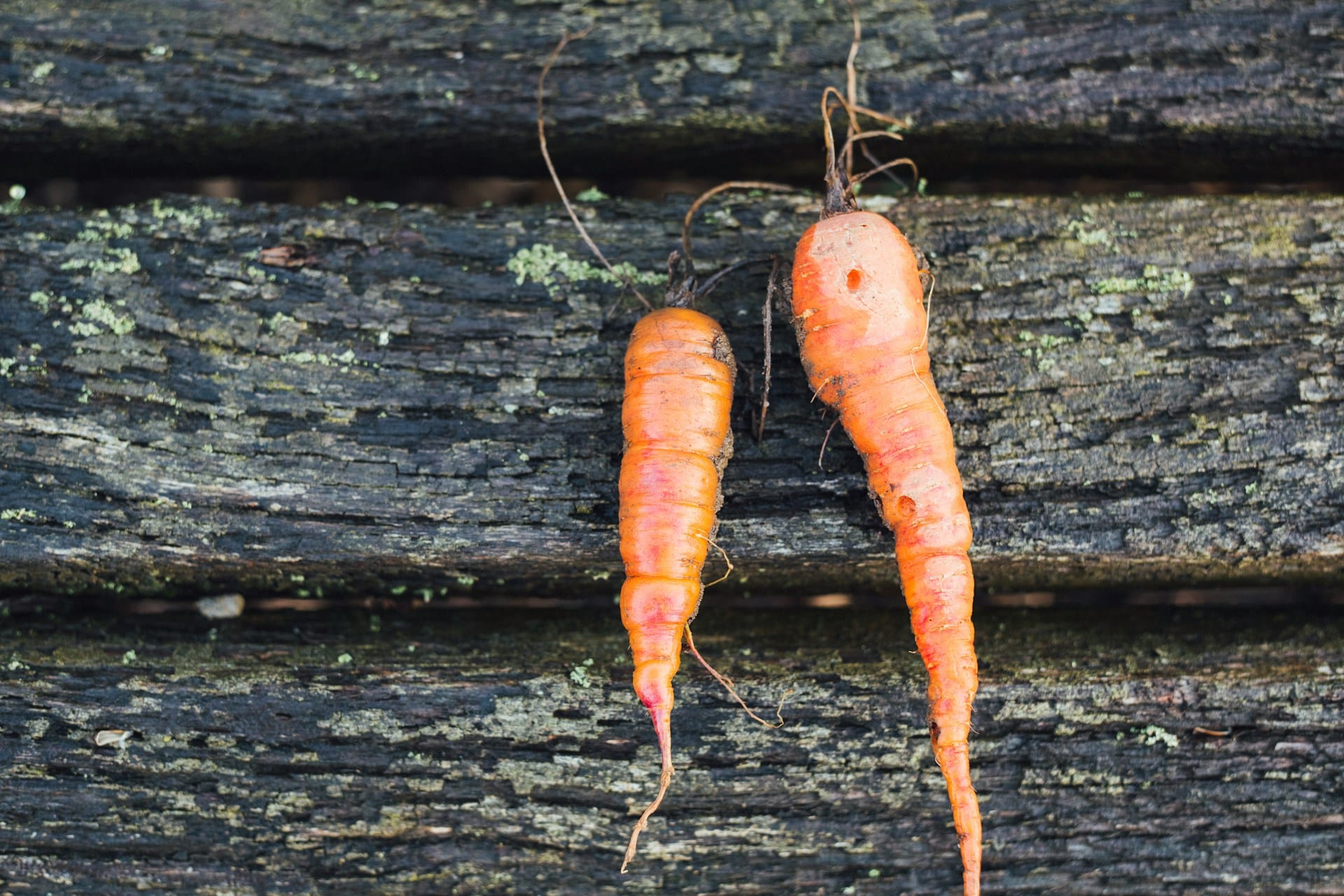
One is whether food is as nutritionally uniform as we often assume. An apple, carrot, or portion of oats grown under one combination of soil, variety, climate, and management may not have precisely the same nutritional profile as an apparently identical food grown elsewhere. Similar questions are being asked of milk, poultry, and meat.
… uncertainty should not prevent us from becoming more curious about the food systems underpinning our patients’ diets.
Meta-analyses comparing organic and conventional production have reported differences in selected crop phytochemicals and in the fatty-acid and micronutrient profiles of milk.3,4 A smaller, preliminary study comparing paired regenerative and conventional farms has also identified compositional differences in crops and animal products.5
The evidence requires caution. The farming system is only one influence among many on food quality: weather, geography, soil characteristics, animal feed, harvest timing, storage, and processing also matter. Results are heterogeneous, and regenerative farming is inconsistently defined.
A National Academies review similarly concluded that soil management may influence food composition.6 However, the evidence connecting the pathway from soil characteristics, farming systems, food quality, human biomarkers, and clinical outcomes remains incomplete and not yet fully established. But uncertainty should not prevent us from becoming more curious about the food systems underpinning our patients’ diets.
The central proposition emerging from these conversations is simple: foods of the same type may not always be nutritionally identical. Packaged foods display ingredients, calories, and selected nutrients, allowing for comparison. Fresh foods reveal little about their nutritional composition or the production system from which they came, beyond schemes such as organic certification.
Farmers describe an incentive problem. As one farmer put it to me, the market generally buys a carrot as a carrot. It does not reward a measured micronutrient or phytochemical profile. Nor does the price of food consistently capture the wider value farming may provide through maintained soil health, biodiversity, climate resilience, and food security.
Fresh foods reveal little about their nutritional composition or the production system from which they came …
While some farmers are exploring how to influence food composition, improve soil function, and farm resilience, researchers and innovators are developing frameworks to measure, verify, and communicate nutritional differences7, with the longer-term aim of informing consumer choice and rewarding farmers for measurable outcomes.
This is where the conversation about nutrient density becomes particularly relevant. It also sits alongside the wider problem of ‘hidden hunger’: the term used by WHO for micronutrient deficiencies that can have serious health consequences across the life course.8 Reliable, affordable measurement could eventually help consumers distinguish foods not only by category, appearance, or price, but by aspects of their nutritional quality.
We are not there yet. Any future system would need validated methods and safeguards against confusing consumers, widening inequalities, or overlooking affordability and accessibility.
There are parallels between general practice and farming, both at present may create value that is not fully recognised. Additionally, farmers and GPs have different responsibilities, but their concerns may increasingly overlap around food quality and safety, access to affordable food, environmental resilience, and community health.
… doctors do not need to become agricultural experts. But farmers, soil scientists, and agricultural researchers could become more visible health allies.
For now, encouraging a varied diet rich in fruit, vegetables, legumes, whole grains, nuts, and seeds remains more useful than directing patients towards an expensive or poorly defined farming label. But our advice may remain incomplete if we ignore the systems determining how food is produced, available, affordable, and eaten.
Farmers are not allied health professionals in the regulated sense, and doctors do not need to become agricultural experts. But farmers, soil scientists, and agricultural researchers could become more visible ‘health allies’. Medicine can help define clinically relevant research questions, while agricultural experts can help us understand the origins and variability of the foods we recommend.
In 10 years time, we may still ask our patients about the food on their plate, but we may also be able to ask more informed questions about its nutritional composition, how this was measured and the farming system that supported it. To reach that point, perhaps we need to start sitting with our new ‘health allies’ and learning from one another. The pathway from soil health to human health may not yet be fully mapped, but by working together, we may reach a clearer understanding, and uncover new ways in which to support our patient’s health.
References
1. NHS. The Eatwell Guide. NHS, 2022. https://www.nhs.uk/live-well/eat-well/food-guidelines-and-food-labels/the-eatwell-guide/ (accessed 26 Oct 2026).
2. Cunningham-Eurich I, Wentworth J. Regenerative agriculture: POSTnote 748. Parliamentary Office of Science and Technology 2025. doi:10.58248/PN748
3. Barański M, Średnicka-Tober D, Volakakis N, et al. Higher antioxidant and lower cadmium concentrations and lower incidence of pesticide residues in organically grown crops: a systematic literature review and meta-analyses. Br J Nutr 2014; 112(5): 794–811. doi:10.1017/S0007114514001366
4. Średnicka-Tober D, Barański M, Seal CJ, et al. Higher PUFA and n-3 PUFA, conjugated linoleic acid, α-tocopherol and iron, but lower iodine and selenium concentrations in organic milk: a systematic literature review and meta- and redundancy analyses. Br J Nutr 2016; 115(6): 1043–1060. doi:10.1017/S0007114516000349
5. Montgomery DR, Biklé A, Archuleta R, et al. Soil health and nutrient density: preliminary comparison of regenerative and conventional farming. PeerJ 2022; 10: e12848. doi:10.7717/peerj.12848
6. National Academies of Sciences, Engineering, and Medicine. Exploring Linkages Between Soil Health and Human Health. Washington, DC: National Academies Press; 2024. doi:10.17226/27459
7. Rosier CL, Kittredge D, Nainiger B, et al. Validation of low-cost reflectometer to identify phytochemical accumulation in food crops. Sci Rep 2024; 14: 2524. doi:10.1038/s41598-024-52713-0
8. World Health Organization. Monitoring micronutrient status in populations. Geneva: WHO. https://www.who.int/activities/monitoring-micronutrient-status-in-populations (accessed 26 Oct 2026).
Featured photo by Markus Spiske on Unsplash