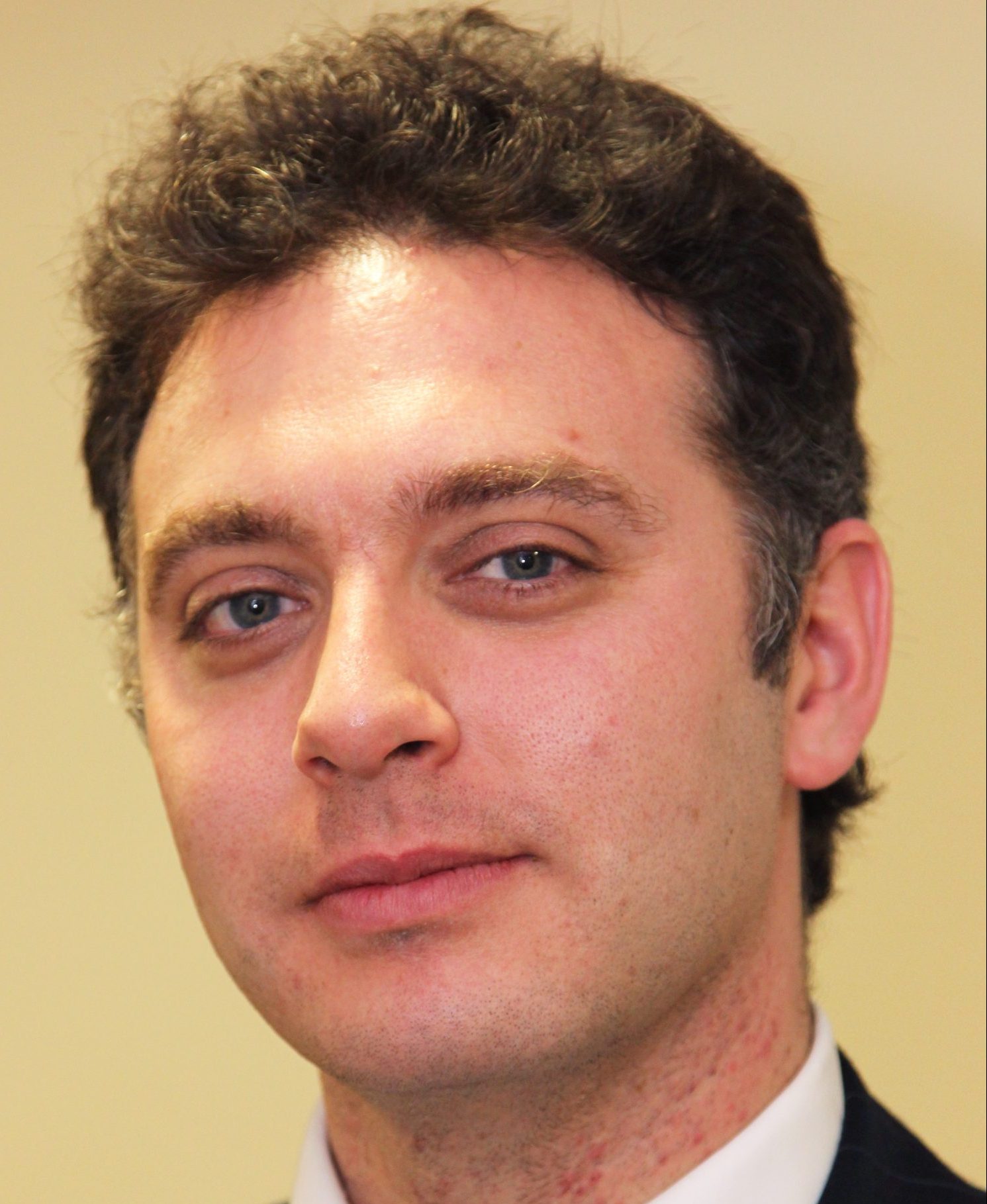
 Andrew Papanikitas is Deputy Editor of the BJGP. He is on X: @gentlemedic
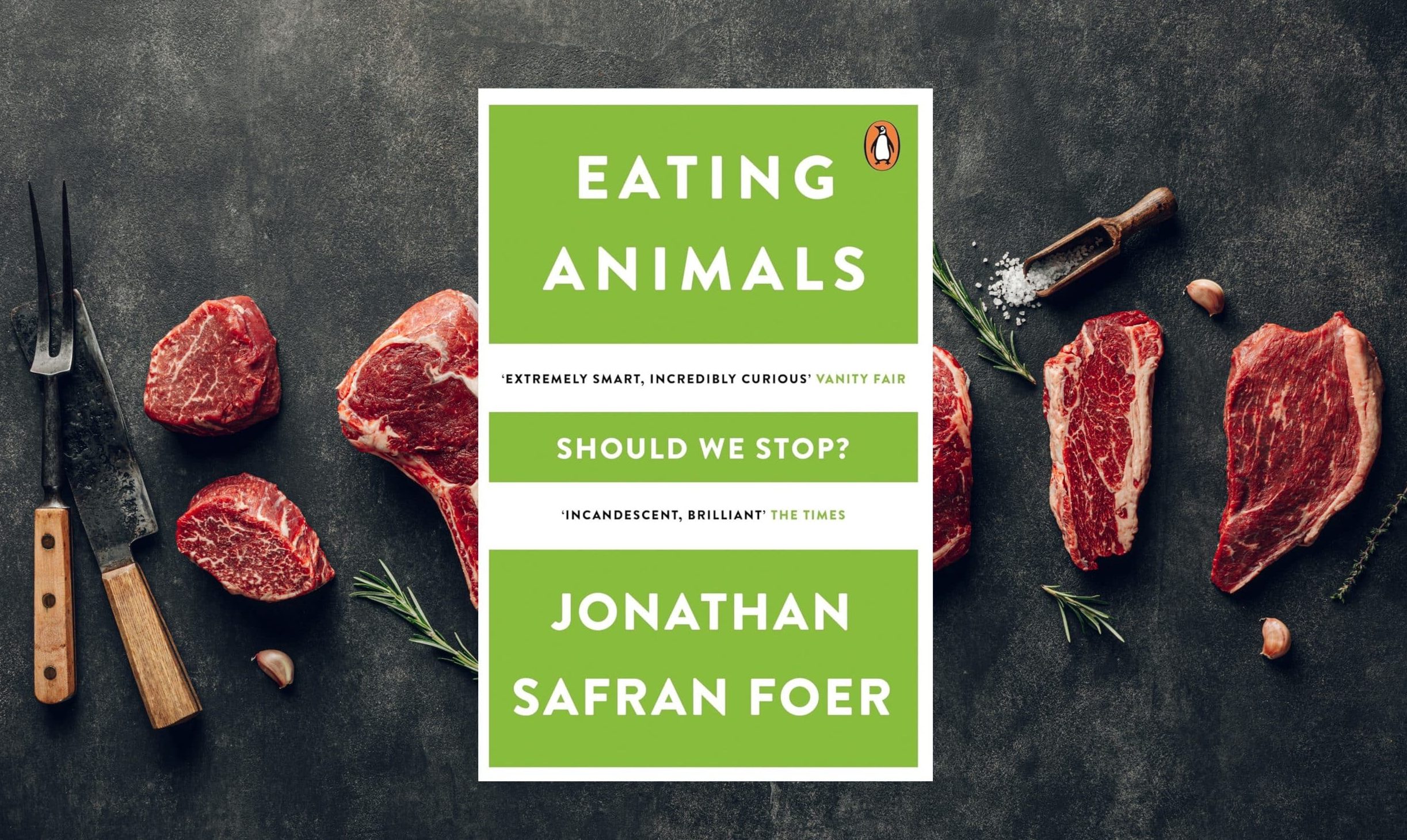
There are few books that I would regard as life-changing, and ‘Eating animals,’ is one of them. I had not read any of Jonathan Safran Foer’s novels when I picked up this book (I still haven’t). The title caught my eye, along with its subtitle, ‘Should we stop?’ As an omnivore from a carnivorous culture but with many vegetarian and vegan friends, I was curious about how the titular question might be addressed. I had laughed at the point in the movie, My Big Fat Greek Wedding, where the groom states he is vegetarian and his new family offers lamb, in part as it channelled my naïveté about vegetarianism growing up.
I picked the paperback edition off a pile in a bookshop to see how it might start and having read the first chapter whilst standing in the bookshop, I felt inspired to purchase the copy and see it through. This book is not a polemic in the strident sense. Even though it has a few uncomfortable ideas to share it is… friendly. It nonetheless aims to answer the questions of where the meat that is consumed by humans comes from, how it is produced and what economic and environmental effects this has. Utimately, it is a compelling storyteller’s account of the author’s and humanity’s complicated relationship with meat.
Utimately, it is a compelling storyteller’s account of the author’s and humanity’s complicated relationship with meat.
Foer regales us with his family traditions around eating, from his grandmother’s interest in store discount coupons to his father’s adventurous attitude to new foods. That his grandmother had survived war and famine is pointed out early – the smothering hug that serves as both the greeting of and weighing-in of a child is a haunting idea. He describes his relationship with animals from a childhood haunted by fear of dogs to an adulthood accompanied by man’s best friend. It is in this uncomfortable context that we are invited to consider that it would be more efficient to cultivate dogs as food rather than companion animals. The book at multiple points takes forays into journalism, history, anthropology and ethics. The author takes us along with him as he investigates big meat, meat produced by small farms that focus on rare and indigenous breeds and even on a raid led by animal rights activists. We are also introduced to the stories that justify our consumption of meat and given an appreciation of the history of large scale animal farming.
To be honest the description of the way in which animals are industrially slaughtered and then butchered ought to be enough to put someone off industrially produced meat. Some of the American meat-storage practices described in the book demonstrate why if we are obliged to have imports of cheap (no pun intended) chicken from the United States of America, chlorination of the meat is the lesser of two evils. From both a food hygiene and an animal welfare perspective there is a compelling argument why the kind of meat sold in bulk and by fast food outlets is best avoided. It is worth reviewing here because it unpacks the social, philosophical, and historical aspects of a phenomenon critical to public health and primary healthcare, the food that we eat.
This book did not turn me into a vegetarian, but it did significantly change my diet. As a direct result of it my family and I consume much less meat, and that meat which we do consume is far more likely to be organic with an associated welfare standard. More than this however “Eating animals,” showcases the importance of stories and storytelling in understanding a complicated phenomenon in which there are widespread cultural and vast financial interests.
Featured book: Jonathan Safran Foer, Eating animals, Penguin 2018, £8.99 ISBN 9780141031934, 344 pages, paperback