

 Ben Hoban lives and works in Exeter
Doctor, I’ve just had this letter from the hospital.
Ah yes, your retrospectoscopy results: if only we’d had these before!
How is it that something can seem so obvious in hindsight, when at the time it was anything but obvious? If we think of life as a chain of events stretching from the past into the future like a string of beads, then what we see clearly from a point of view in the future should be equally clear from our current viewpoint in the present, and to be caught out by events must be to lack foresight.
I may regret choosing one set of lottery numbers over another when the winners are drawn. It would be misleading, however, to say that I had picked the wrong numbers: in a fair lottery, the result simply cannot be determined in advance. It is therefore possible, at least in principle, for the view through the retrospectoscope to have a clarity which is compelling but false.
We are now in the realm of story-telling, linking selected facts to explain how we came to be where we are.
The reason for this may be that life is a good deal more complicated than a string of beads, perhaps more like a web of interconnected nodes, in which what happens next is influenced by more factors than we can account for. We can certainly make our string of beads, but only once we know which nodes to link, and at the expense of the bigger picture. We are now in the realm of story-telling, linking selected facts to explain how we came to be where we are.
When we make decisions, we generally accept that things might not work out the way we think they will. Our process is partly about the outcome we hope for, but also about the other possibilities: how likely they seem, how we would feel about them, and what stories we would tell in hindsight to explain them if they happened. If you woke up in CCU after a heart attack, would you blame yourself for not having taken a statin? Or would you feel cheated if you’d had a heart attack despite taking one?
This applies to safety netting too: we plan for things to go well, but anticipate the ways in which they might go wrong and advise our patients accordingly, so that we are left with a reasonable narrative whatever happens. If we were right first time, it’s a simple success story. If things take an unexpected turn for the worse but the patient knows what to do, the success in narrative terms is greater rather than less.
Now, Mrs Jones, everything looks fine, but I’d just like to do one more thing to make sure you’re going to be okay.
My goodness, doctor, what’s that?!
Don’t worry, Mrs Jones, this is a modified retrospectoscope with a state-of-the-art anticipatory filter. It lets me see what things might look like in hindsight a few days from now.
Are you sure? It looks awfully like something my children put together…
Not at all. In the future, all doctors will have one. In fact, we’ll wonder why we didn’t realize sooner how useful they could be.
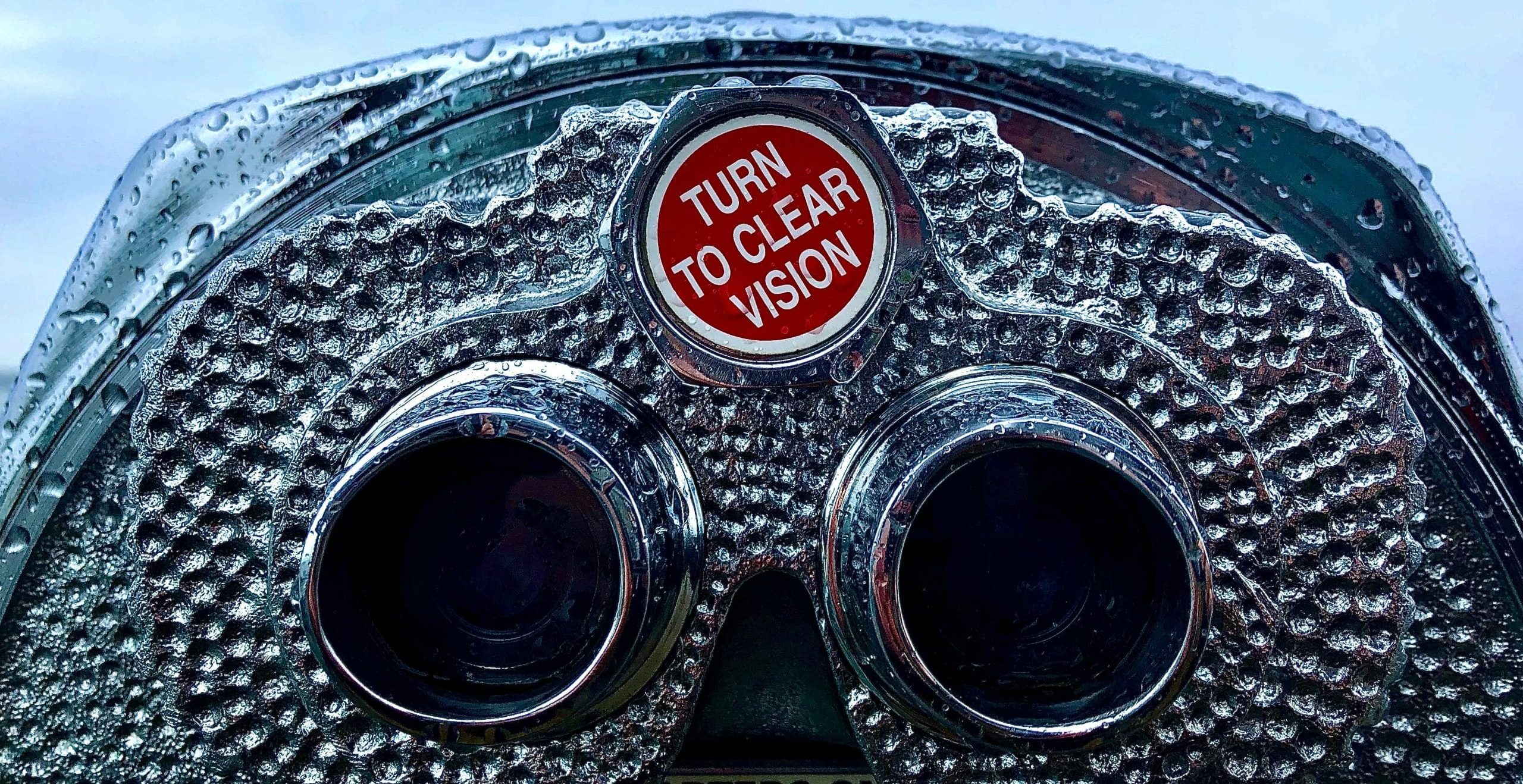
Featured image by Chase Murphy on Unsplash






Ben Hoban is a GP in Exeter. It’s hard to go far online without being promised The 7 Keys to Success, 10 Ways to Make…