

 James Douglas has been a GP in the same GMS practice and RCGP member for 46 years
I am 74 and still work three days a week. I am conscious that many GPs can’t wait to retire and positive career stories are infrequent, but hope that my personal journey can provide some insight into professional survival in today’s demanding NHS.
My parents came from the Second World War generation that founded the NHS, set up state education and council housing after the horrors of total war. I joined the University of Aberdeen in 1969. Aberdeen had been training medical students for 474 years, and the NHS had been functioning for 21 years. My lifelong and strong sense of medical vocation comes from knowing how privileged I was and a sense of duty to pay back to society. I remain a committed disciple of the NHS religion and its founding principles. My faith in the NHS religion’s “health” is currently being tested by its very success. However, I remain in awe of the NHS at its modern technical best. To my mind, the current problems track back to lack of social care in the community.
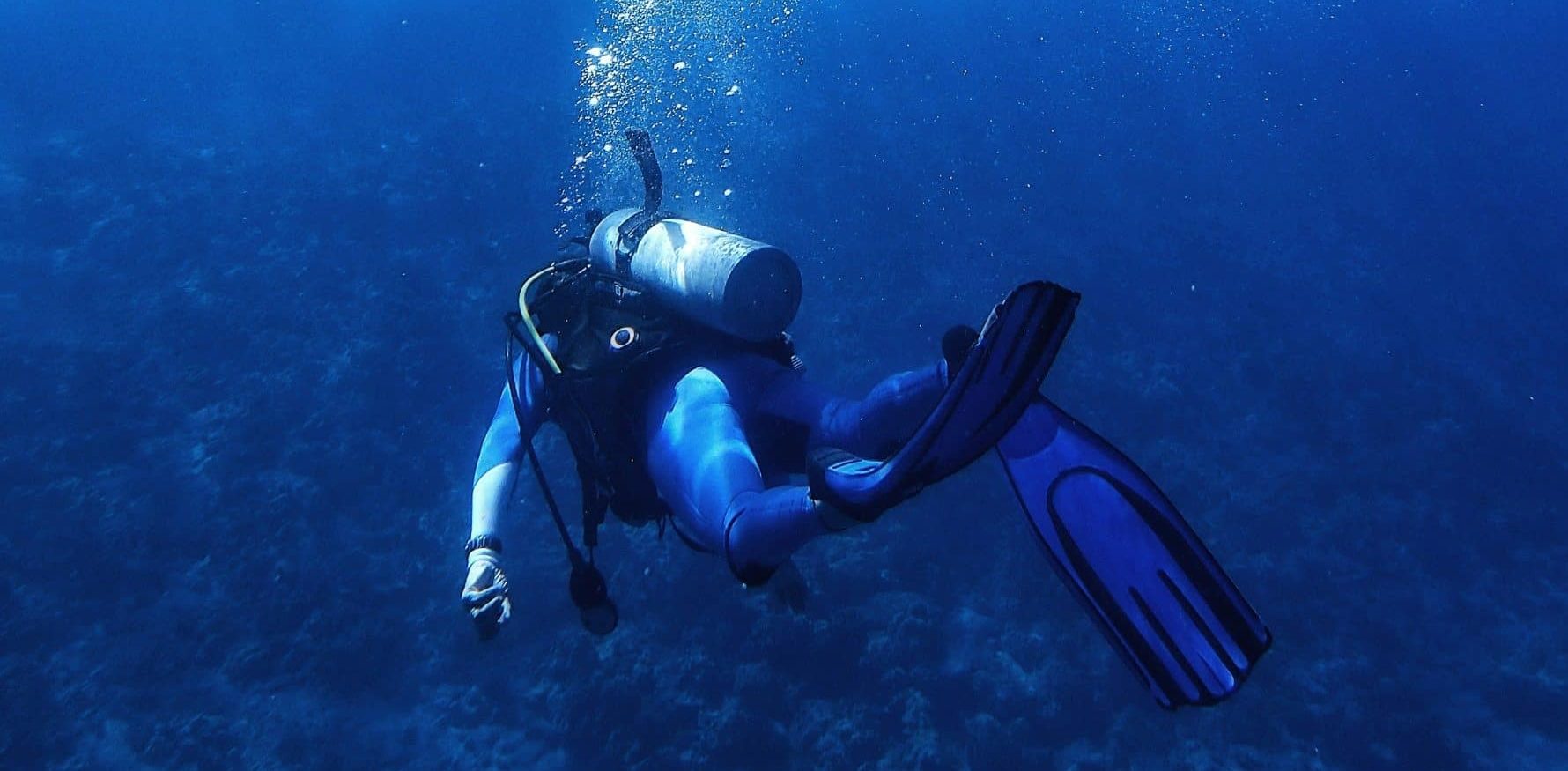
Oil came ashore to Aberdeen in 1972. I had learned to dive at University and embraced diving medicine as the new specialty required to support this industry. As far as I was concerned, oil revenue was paying for the NHS. So I came up with a life plan to be a rural GP on the West Coast of Scotland with an interest in diving medicine, with my wife and baby.
I learnt my teaching and training skills delivering paramedic training for offshore divers, and my research and publishing skills from divers with decompression sickness.
Fifty-five divers had died pushing their limits in the North Sea to build the engineering infrastructure. A commercial diver training school was established in the deep sheltered waters off Fort William. I learnt my teaching and training skills delivering paramedic training for offshore divers, and my research and publishing skills from divers with decompression sickness.
I secured my dream trainee job and became a partner. My range of General Practice in the early years also included scary GP obstetrics and I attended road accidents and mountain rescues. The on call rota was 1in 4 nights with no mobile phones or computers. Today’s GP stresses and expectations are different. There was no golden age. Just focus on the patients worse off than yourself with horrible illnesses and no money.
I became a GP trainer and Associate Advisor in General Practice. The new salmon farming industry centred in my town. The company needed a doctor and paid for my training in Occupational Health aged 40. I picked up three cases of new adult asthma as a GP from the new fish processing factory in town. Five years later I had a publication in the Lancet and an MD describing a new cause of Occupational Asthma. I worked with factory engineers to remove the respirable aerosols and prevented 200 adults getting asthma in my community!
Currently I am researching Lyme Disease aged 74 after observing a rapid increase in my practice patients. There are diagnostic, public health and occupational risk factors, which need described from the GP perspective.
My range of General Practice in the early years also included scary GP obstetrics and I attended road accidents and mountain rescues.
I feel very privileged to have had an amazing GP career in one practice, in one community. None of the above would have been possible without my fantastic practice team. Thus we deliver continuity of care, undergraduate and post graduate education , innovation and research. I feel clinically safe as an older GP surrounded by young minds.
I have been married 49 years, we have four children and nine grandchildren. We live in a beautiful place and love art. I am a keen swimmer and sailor.
I still enjoy patient contact and the challenges of clinical medicine in General Practice after 46 years, and still have a sense of vocation as well as a belief in the core values of the NHS and General Practice.
I feel special interests are really important for generalists. You can take them up and put them down throughout your career. We can all feel overwhelmed at times, but opportunities will arise and keep you going. Some people like to ‘move on’ every few years in their career cycle. Others like to put down roots and grow in one place.
The whole point of General Practice is the autonomy, flexibility and continuity. General Practice remains the best medical career and I would choose it again.
Featured Photo by Joseph Northcutt on Unsplash





Thank you James – very inspiring!