


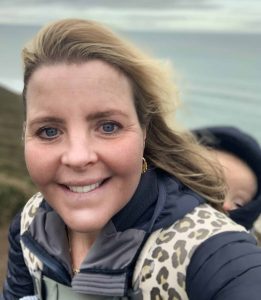
 Charlotte Sidebotham is a salaried GP from Cornwal
The consultation ends. The next one has not yet begun.
In between, there are a few seconds.
These are thresholds.
We rarely notice them.
We probably should.
They pass in movement—in a few steps across the consultation room, in the brief pause before opening the next set of notes. Small, functional moments that belong to neither one thing nor the next.
The walk down the corridor. A hand on the door before entering. The moment after a patient leaves, before the next record opens. These fragments of time feel incidental, even inefficient.
And yet, they are where we think. A mental buffer time.
A corridor is not just a corridor. It is where the last consultation settles. A difficult encounter lingers for a few steps. A small uncertainty surfaces—was there something else? Should I have asked one more question?
There is no formal space for this reflection. It is not coded, timed, or protected. But it is often here that clinical judgement quietly continues to take shape. Decisions rarely occur in a single moment. They emerge in the spaces around it.
Thresholds also allow us to change gears. General practice demands repeated acts of attention and empathy, offered afresh each time.
Without pause, one consultation risks bleeding into the next—the tone carrying over, the mind not quite reset. The few seconds between patients act as a kind of boundary. Not a complete separation, but enough to begin again.
It is only a few seconds in a corridor … But it may be the only moment in the day that allows one patient to end before the next begins.
Outside the consulting room, thresholds continue their work.
The walk to the car. Sitting for a moment before turning the key. Taking off a lanyard at the end of the day. These small rituals mark a crossing—from doctor to self, from responsibility to something closer to rest. Or at least, they can.
Increasingly, these thresholds are being eroded. Remote consulting compresses the day into a continuous stream. One call ends, another begins. There is no corridor, no physical transition—only an immediate shift from one narrative to the next.
It is efficient. It is productive.
But something is lost.
Without thresholds, reflection becomes harder to access. Decisions risk becoming reactive rather than considered. The emotional weight of the day has fewer places to disperse, and so it accumulates. We may not notice it at first. Only later, as a sense of fatigue that is difficult to explain.
It is only a few seconds in a corridor.
But it may be the only moment in the day that allows one patient to end before the next begins.
Featured photo by Towfiqu barbhuiya on Unsplash.