

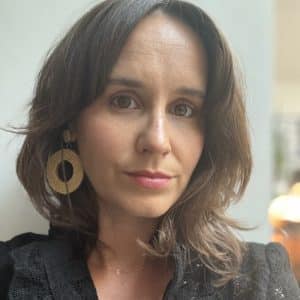
 Lucy Steed is a GP with specialist interests in menopause, women’s health, and lifestyle medicine, working across NHS community gynaecology and urgent care services. She is on Instagram and on LinkedIn
On the eve of my 40th birthday, I find myself reflecting on my career, my family, and the path I’ve travelled since my husband died suddenly, aged 34, from a spontaneous and catastrophic intracranial haemorrhage. That was five years ago. At the time, our sons were just 18 months and 4½ years old. My husband was an anaesthetist; we had met at the very start of medical school. From that point on, medicine and our life together were intertwined. He was my sounding board – the person who understood the emotional intensity of my work. I had never known medicine without him.
I quickly discovered that I was no longer able to meet the emotional demands of general practice in the way I once had. Long days. Unpredictable cases.
I will never forget his smile, his humour, his tireless work ethic, or the comfort of having him to come home to, no matter what had happened in my day. My sons are now my source of strength and purpose, but it’s different. Without him, I carry far more weight myself -without that person who truly understood both the emotional toll of medicine and the rhythm of our family life. That shift has shaped not only my personal world, but my professional one.
A year after he died, I tentatively began a return to my salaried GP role. It felt like the logical next step – the “right” thing to do. But I quickly discovered that I was no longer able to meet the emotional demands of general practice in the way I once had. Long days. Unpredictable cases. The expectation to be ready for anyone and anything who walks through the door – it became too much. Even informal lunchtime conversations about CT heads, neurological symptoms, or end-of-life care would trigger vivid memories. I could no longer separate my clinical role from my personal reality.
What I’ve come to learn – and what I hope others know – is that it’s okay to change direction after loss. When life alters you so fundamentally, your career will likely shift too. And that’s not a sign of weakness. It’s a sign of growth, of honesty, of honouring your own limits.
We don’t go into medicine to become martyrs. We go into it to care for others – but that care must include ourselves too. Traumatic grief reshapes your energy, your perspective, and your boundaries. You cannot be expected to return as the same version of yourself, offering the same things in the same way. And you shouldn’t have to.
We don’t go into medicine to become martyrs. We go into it to care for others – but that care must include ourselves too. Traumatic grief reshapes your energy, your perspective, and your boundaries.
Over the last five years, I’ve reshaped my career in a way that allows me to continue contributing meaningfully while protecting my own capacity. I took time to retrain – completing a specialist qualification in menopause care, as well as a diploma in lifestyle medicine – both of which have shaped how I now practise. I currently work as a GP menopause specialist within our local NHS community gynaecology service, and as an urgent care GP in an in-hours NHS 111 clinical advisory service. I also co-lead a private menopause service within an aesthetics and dentistry clinic.
Alongside clinical work, I’ve become increasingly involved in service planning across both NHS and private settings – something I never imagined myself doing, but which has brought unexpected purpose and professional growth. It’s a part of my work that feels more measured and less emotionally intense, and that difference has made it both appealing and sustainable for me at this stage in my life.
I want to acknowledge here that I’ve had the privilege and flexibility to reshape my career. Many others, in medicine and beyond, do not. I think often of those who must return to emotionally demanding roles while still carrying the full weight of grief – not because they feel ready, but because they feel – rightly or wrongly – like they have no other choice. They deserve more support, more options, and more compassion.
If you’re in the midst of deep personal loss and questioning your place in a demanding career, please know this:
You are not failing.
You are adapting.
You are honouring your humanity.
You don’t need to “go back to normal.” It’s okay to build something new – something that works for the person you’ve become, not the one you were before. When one door closes, others do open – often in directions you hadn’t imagined.
I still have so much to give. Just on new terms. Terms that make space for grief, for growth, and for the life I’m still building – with my sons, and in medicine.
Featured photo by Noah Silliman on Unsplash