
 Charlotte Sidebotham is a salaried GP from Cornwall
We are inclined to see our lives as a continuous line. One day following another, seasons passing imperceptibly, the ‘self’ remaining more-or-less intact.
Most of the time we drift. We assimilate the world around us without noticing: the faces, conversations, landscapes, disappointments and joys. They settle somewhere beneath consciousness, quietly altering the shape of us. We become different without knowing precisely when it happened.
And then, sometimes, something occurs that divides time.
There is a before, and there is an after.
We speak of experience as though it simply builds knowledge. But perhaps it does something deeper and more profound. It changes the person who is doing the knowing.
The birth of a child is one such moment. The world is the same yet entirely changed. You look at the everyday things and see them differently. A new vulnerability has entered the world, and with it, a new way of seeing.
Medicine is full of these moments too.
Perhaps it is the death of a patient you have known for decades. Someone whose history you could recall from memory; whose family you have watched grow alongside your own. You sit with them at the end, and afterwards you return to the consulting room. The computer still works. The phone still rings. The next patient still worries about their knee.
But you are not quite the same doctor as you were before.
Or maybe it is a complaint. A letter or an allegation—something that stops you in your tracks and makes you wonder what you are doing. And why? Medicine, which can sometimes feel like a long collection of experience, suddenly becomes something more delicate and brittle.
These moments are not necessarily dramatic. Sometimes they are undistinguishable to everyone else. Yet inside they can feel like a frameshift: the same words, the same world, but read differently.
We speak of experience as though it simply builds knowledge. But perhaps it does something deeper and more profound. It changes the person who is doing the knowing.
And I think it is vital to acknowledge when this has happened.
Because if we fail to notice the person we have become because of these frameshift moments, we may continue to make decisions as the person we were before it.
We may not recognise the new biases, fears and assumptions that have arrived with us.
To pause and ask ‘Who am I now?’ is not self-indulgence. It is a way of calibration.
The task is not to remain unchanged, but to know that we have changed—and to understand something of the person we have become.
With enough years, the before-and-after moments accrue. Some make us softer. Some make us cautious. Some make us cynical. Some leave scars. Others deepen our power to understand another person’s fear.
The task is not to remain unchanged, but to know that we have changed—and to understand something of the person we have become. And so, we carry on.
We enter each day imagining ourselves to be the same person who went to bed the night before. But we are not. Perhaps life is less a continuous journey than a collection of thresholds—most unnoticed as we cross them, until one day we look back and realise that somewhere along the way, we became someone different.
Isn’t it funny how, day by day, everything seems to stay the same, and yet, when we look back, everything is different?
Deputy Editor’s note – see also by the same author:
- https://bjgplife.com/thresholds/
- https://bjgplife.com/good-enough-should-be-good-enough/
- https://bjgplife.com/seeing-double/
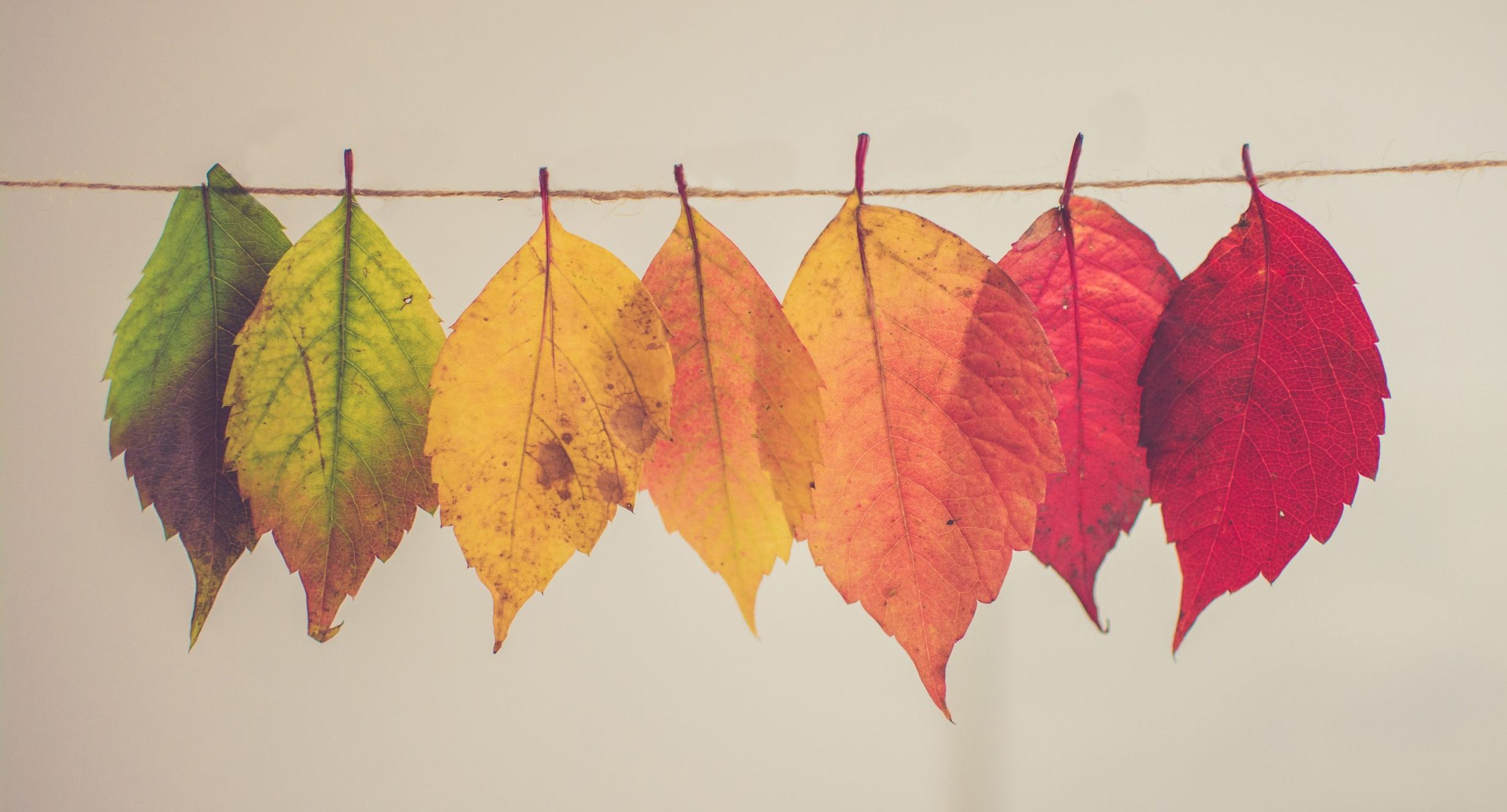
Featured photo by Chris Lawton on Unsplash