 Andrew Papanikitas is Deputy Editor of the BJGP.
British autumn can be so vivid. Rainy gusts of wind stir richly coloured piles of fallen leaves. The acrid smell of bonfire smoke is seasoned by the smell of wet grass. A series of festivals colour the autumn calendar. Harvest festivals are swiftly followed by Halloween, a garish repackaging of older Christian and pagan festivals. November launches with Bonfire Night, a celebration of the foiled plot to blow up the king and parliament. The British public are asked to observe 2 minutes of respectful silence at the 11th hour of the 11th day of the 11th month (Armistice Day), as well as on Remembrance Sunday for those killed in two world wars. We can think of these events in terms of costumed children asking for sweets, firework displays, apples dipped in sugar, and plastic poppies, or we can (also) connect to the history and meaning that they offer. Like the proverbial skeleton at the feast, the ideas and histories channeled by these social festivals are difficult: Sectarian oppression and terrorism, the death of summer and the approach of winter, a time when most of the world committed to total war in the face of totalitarian empires. Similarly, death and remembrance, as well as a stern reminder to see beyond the superficial aspects of practice, are the emergent themes in this month’s Life and Times. They have much to teach us.
“… death and remembrance … are the emergent themes in this month’s Life and Times.”
General practice and medical generalism, seen superficially as tasks, can seem (incorrectly) like the easy bits of medicine. The unique selling point of generalist emerges out of a complex biopsychosocial understanding of health care. Alex Burrell discusses how our health experience is embodied, taking studies on sleep apnoea, language barriers, persistent physical symptoms, and new onset diabetes.1 Tim Senior discusses the social role of the GP as something we should not be divesting, even though it is sometimes onerous. This is the role that allows GPs to write prescriptions, certify death, and say that someone is too sick for work.2 I review Generalism in Clinical Practice and Education by Sophie Park and Kay Leedham-Green, a free (online) text that unpacks what clinical generalism is and how it is critical to health.3
What might we learn from death itself? Aneez Esmail reviews Timor Mortis: How We Live with Death by Richard Coker, an extended essay on how we understand, react to, and work with death in our lives (with special poignance for clinicians).4 Paul McNamara and colleagues discuss what we can learn from death, including the phenomenon of terminal lucidity, when a dying person might momentarily seem more alive and present.5 Nigel Masters looks for a resting place for a box of human bones he inherited, ‘This original half skeleton, stored in our attic, became part of our family history … Once a practical teaching aid, it has since been superseded by full-size articulated plastic models and is now more of a relic.’6
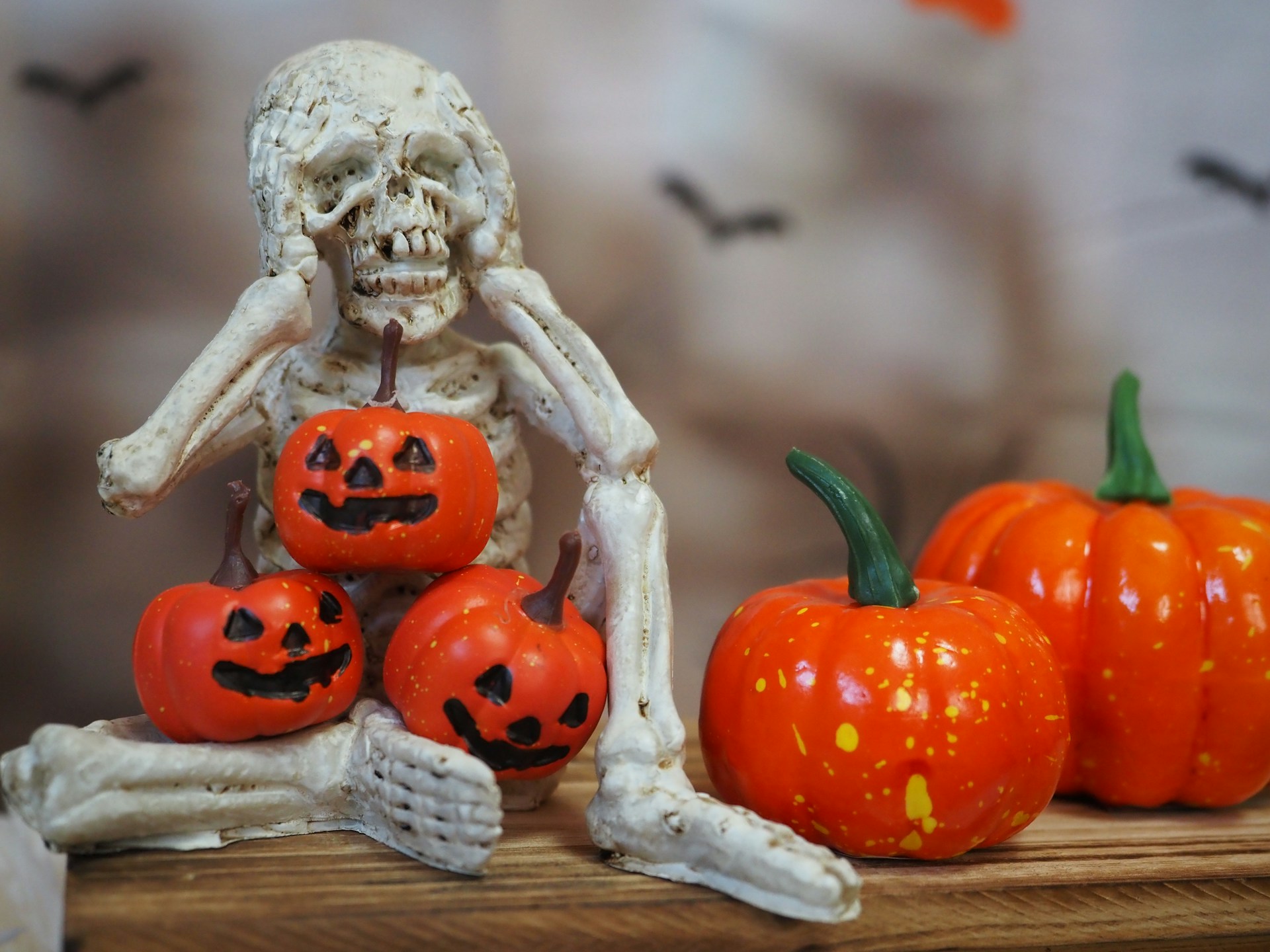
“The skeleton at the feast … serves as a reminder of the uncomfortable realities that exist in the background of any celebration.”
Remembrance can also be a sharing of stories from the vantage point of experience. David Misselbrook reviews the collection of stories in The Eleventh Hour by Salman Rushdie, observing that the themes of each would make for a memorable Monday morning clinic: tales of loneliness in old age; the trauma of a major disaster; love turned to hate by coercive control; a lifetime of bitterness from gay persecution; depression; rejection. And those are just the presenting symptoms, but we all know that lives are complicated.7 Roger Neighbour offers us a slice of memoir from vantage point of a career spent trying to understand who wants to be a GP. He channels prompts by Søren Kierkegaard to look backwards in order to think forwards, and by Emily Dickinson to take a slanted approach. The superficially humorous memories he shares have a deeper meaning.8
The skeleton at the feast has a literary history that is both ancient and modern. It serves as a reminder of the uncomfortable realities that exist in the background of any celebration. These allow us to enjoy the time we have but remind us to live well (not always the same thing). According to Herodotus, the image of a dead body was shown to guests at feasts in ancient Egypt to remind them that life was to be embraced.9 In English literature, the motif emerges in the 19th century, notably in The Old Clock on the Stairs by Henry Wadsworth Longfellow: ‘But, like the skeleton at the feast, That warning timepiece never ceased …’10
References
- Burrell A. Yonder: Sleep apnoea, persistent physical symptoms, health inequalities by language proficiency, and new-onset diabetes. Br J Gen Pract 2026; DOI: https://doi.org/10.3399/bjgp26X746853.
- Senior T. On social functions. Br J Gen Pract 2026; DOI: https://doi.org/10.3399/bjgp26X746901.
- Papanikitas A. Books: Generalism in Clinical Practice and Education. Br J Gen Pract 2026; DOI: https://doi.org/10.3399/bjgp26X746865.
- Esmail A. Books: Timor Mortis: How We Live with Death. Br J Gen Pract 2026; DOI: https://doi.org/10.3399/bjgp26X746889.
- McNamara P, Olowoyo A, Alajeel S. Death: the secret teacher hiding in plain sight. Br J Gen Pract 2026; DOI: https://doi.org/10.3399/bjgp26X746841.
- Masters N. A (real) skeleton in the cupboard. Br J Gen Pract 2026; DOI: https://doi.org/10.3399/bjgp26X746817.
- Misselbrook D. Books: The Eleventh Hour. Br J Gen Pract 2026; DOI: https://doi.org/10.3399/bjgp26X746877.
- Neighbour R. Why am I a doctor? A memoir. Br J Gen Pract 2026; DOI: https://doi.org/10.3399/bjgp26X746805.
- Herodotus. Trans. De Selincourt A. The histories. London: Penguin Classics, 2003.
- Longfellow HW. Longfellow: poems and other writings. New York, NY: Literary Classics of the United States Inc, 2000.