
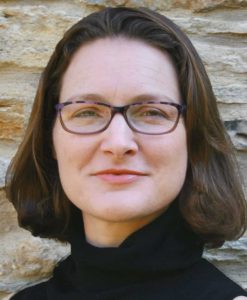
 Ellen Fallows is a salaried GP in Northamptonshire, vice-president of The British Society of Lifestyle Medicine and chair of the RCGP ‘GP with Interest in Nutrition’ group.
‘No one has done anything for me!’ I hear frequently these days as I despairingly trawl through the lists of different hospital specialist letters, repeated GP, mental health worker, social prescriber and health coach appointments. My heart sinks further as I click onto the usually 10 or more repeat prescriptions…hundreds of blood tests, scans….
As these patients see it, nothing we do has made any difference to their lives.
Why is it that my colleagues and I in the NHS, are buckling under all this work, yet this is an increasingly frequent refrain from the patients I see? It is particularly commonly heard from those with multiple complex conditions. Is it because people are getting older and sicker, developing more and more chronic diseases as they age and then expecting a magic cure-all that doesn’t exist? Expectations for such, we have all likely fed into.
Listening in more detail following this complaint, patients explain that the merry-go-round of hospital and primary care tests and appointments achieve nothing for them than a collection of labels and pills with many only feeling worse. As these patients see it, nothing we do has made any difference to their lives.
Looking through all the pills and appointments, I can usually see the guideline and rationale behind each one. However, all combined, the effects are often disastrous – a loss of confidence through being labelled, a loss of income and family connection through frequent attendances to healthcare facilities, side effects from multiple interacting medications, waiting in limbo for the next potential cure whilst on numerous waiting lists.
In situations such as these, I’ve learned to use our precious 10 minutes to just listen; “life isn’t worth living, I’m not sleeping or seeing my friends and family anymore, I’m getting into debt and in so much pain….”. Often people describe relying on alcohol, sugary drinks, snacks, caffeine and nicotine to just keep going. Where do we start to help someone facing all these challenges? As “consultants in complex chronic care”, this is core GP work.
After listening, if we can meet again for a follow-up, I try to ask where people would like to start and began to explore what matters most to them. We frequently talk about food, sleep, caffeine, smoking, alcohol, money, friends, family. If I can see them in a group clinic, where there is more time to problem solve with peers, we make a supported plan that might involve a health coach or friend. More often, if we can focus on these conversations, we end up stopping medications.
Recently, I congratulated a patient on her incredible lifestyle changes, but she replied, “why didn’t you talk about all this in the first place?”
Recently, I congratulated a patient on her incredible lifestyle changes, but she replied, “why didn’t you talk about all this in the first place?” I’ve spent some time thinking about this lady and others with a similar story. They all shared the same frustration that these underlying causes weren’t discussed and the assumption by the patient was therefore that they couldn’t be related to what they were suffering. In mine and my colleagues defence, most of us don’t have the time in our clinics, as much as we would love to have these conversations.
But why don’t we have the time for deeper conversations with the increasing number of people with complex health problems? Is it just excess demand? Or are we filling our frantic days in the NHS with endless tests and checks, “caring” through testing, referring and prescribing. At first, skipping these more in-depth conversations saves us time; you can delay with a referral, a test or a pill. But in the end, it all creates so much more activity – testing, repeat testing, spurious results, screening, red herrings, giving a treatment time “to work“, languishing on a waiting list, dealing with iatrogenic harm…… activity that distracts everyone from the more up-stream causes of people’s suffering; not the ultimate causes such as poverty, prejudice and planetary health, but the ones that are sometimes possible to modify by the patient with the help of their clinician; if only we had the time to talk and support each other and maybe weren’t so busy doing “nothing”?
Featured photo by John Cameron on Unsplash