
 Roy Robertson is Professor of Addiction Medicine at the University of Edinburgh.
The paper Cannabis, tobacco smoking, and lung function: a cross-sectional observational study in a general practice population was published in the BJGP this week. Access the full paper here.
Cannabis and its effects on health are complicated and wide ranging. Like other drugs with an impact on multiple systems there is a considerable literature about negative features and, as with alcohol when much of the measurable effect is the reason for its ingestion, there are mixed views about its value. Added to the balance of benefits versus damaging side effects is its illegality, at least in most administrations. This is clearly changing in several countries and will allow a naturalistic experiment to be evaluated over the next few years. An upcoming United Nations debate in 2016, sponsored by Mexico and Uruguay, will further expose the legal control system to change and may revolutionise the availability in many western countries including the UK. At the present time it looks like cannabis use may well increase over the next decade and, if commercial interests enter the frame then there may well be a much broader range of people participating in its use. The possibility of major manufacturing and marketing companies taking control raises many spectres for medical services used to managing the ravages of alcohol.
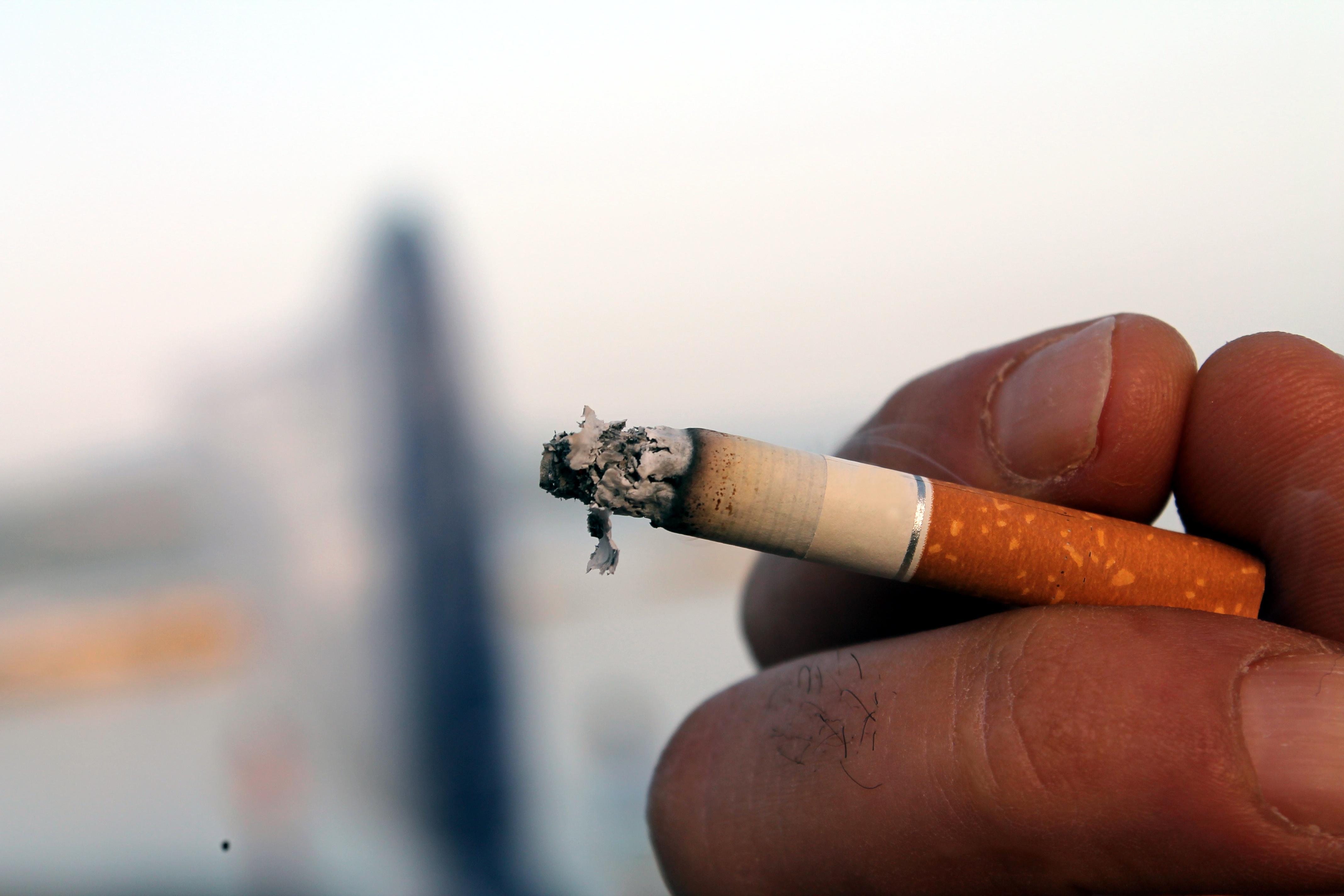
For medical people the damage caused by cannabis is increasingly evident. Dependency, behavioural problems and mental health issues have dominated the debate but respiratory effects are recognised and the combination with tobacco clearly is a toxic mixture. As a generation of individuals who have used cannabis reach middle and later life cumulative effects may well become evident and the damaging effects of several decades of use may increase. Making a causal relationship between cannabis and increased incidence of lung cancer and chronic obstructive airways disease is difficult without a cohort study and to try to attribute an increased caseload to the increased effects of tobacco brought about by cannabis dependency requires skilful interpretation of datasets.
[bctt tweet=”For medical people the damage caused by cannabis is increasingly evident.”]
As ever with public health policy decisions have to be made on the basis of data accumulated and evidence pointing in a clear direction. Possibly more urgent is the need to have a direction of travel. This is something governments need to put in place before the regulatory landscape changes. It would therefore seem sensible to convene a discussion on reducing cannabis related harm and to establish an evaluation framework which might give important answers over the next few years and longer. This is never a comfortable or popular area for politicians so pressure will need to come from elsewhere. At present the main lobbying groups are towards decriminalisation and increased availability but the importance of scientific evaluation and monitoring of change needs some leadership.