

 Alex Burrell is a GP in Bristol and Associate Editor at BJGP Open.
Yonder: a diverse selection of primary care relevant research stories from beyond the mainstream biomedical literature
Violence prevention in primary care
Workplace violence can include physical violence, verbal abuse, threats, and psychological harassment. I’m sure we can unfortunately all think of examples we have experienced directly or witnessed with colleagues, particularly our non-clinical colleagues who are the vital first point of contact in our surgeries. How can we try to prevent this? This qualitative interview study in Germany explored the implementation of violence prevention strategies in general practice.1 Measures described included environmental (emergency buttons, lockable consultation rooms, and spatial arrangements), organisational (formal protocols, reporting systems, and team briefings), and individual-focused solutions (communication skills, de-escalation techniques, and situational awareness). Leadership with a visible and active focus on employee safety was felt to be a central factor in violence prevention. Barriers to implementation included workload, staff shortages, financial constraints, and lack of awareness. In terms of a hierarchy of needs for working in primary care, safety surely must be fundamental.
“In terms of a hierarchy of needs for working in primary care, safety surely must be fundamental.”
Patient perspectives on asthma management
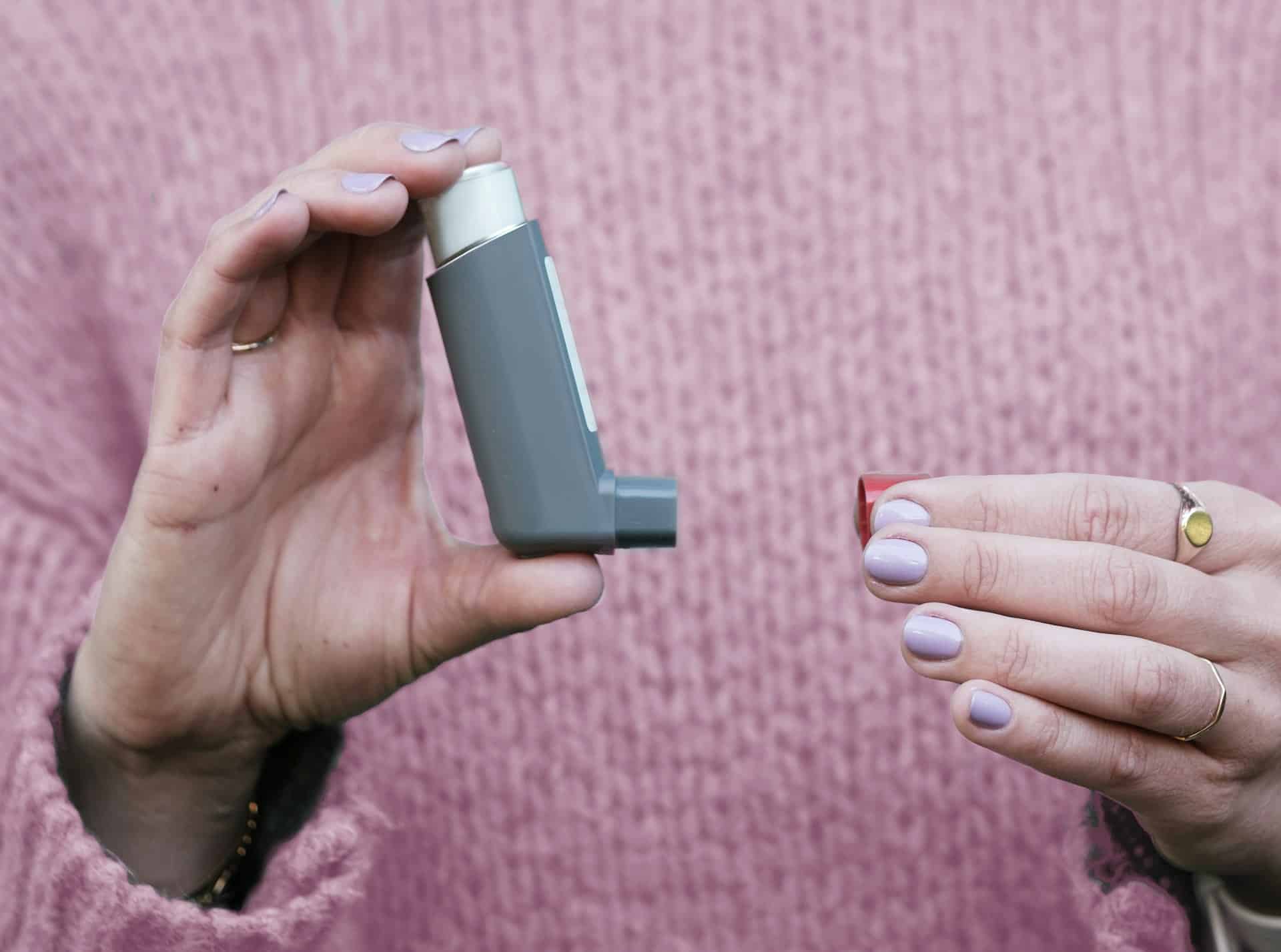
As we make a concerted effort to switch people over from short-acting beta-2 agonist (SABA) relievers, there is anecdotally often some resistance from patients. Switching to anti-inflammatory reliever (AIR) or maintenance and reliever therapy (MART) is better both clinically (in most cases) and environmentally. So what do patients think of this and why might they be reluctant to give up the SABA? This Australian study interviewed 23 adults with asthma to explore this.2 They found people had a limited or vague understanding of inhaler types, including of the environmental impact. There were concerns guidelines and inhaler types were being changed to protect the environment over keeping patients safe. Familiarity, fear of change, and ease of use were key barriers on willingness to change but clinician advice strongly influenced inhaler choices. If we are going to be successful in supporting patients to change to AIR or MART, this suggests we need to be clear that the justification is efficacy first and environment second.
GP curricula in medical schools
With a global shortage of GPs, we need to think about how we give medical students experience of and exposure to general practice. This is particularly important as medical student numbers increase and specific targets are set for the proportion who should be pursuing general practice as a career; this figure is 50% in the UK. As part of the redesign of their primary care curriculum, this study from a team at the University of Auckland aimed to describe and compare how general practice is taught across medical programmes in high-income countries.3 Using a framework they developed called EPIC-GP to systematically compare approaches, they found there were three types of approaches to general practice teaching: hospital-focused teaching and learning programmes; GP-focused programmes; and community- or primary health care-focused programmes. Four correlated variables accounted for most of the variability: problem-based learning; integrated curriculum; community-based exposure; and GP-focused university teaching. The commonality between these was centring general practice in the teaching and learning environment.
Hepatitis C
The World Health Organization has a Global Health Sector Strategy to eliminate viral hepatitis by 2030. In the UK currently, although a big decrease has been reported since 2015, there is an estimated 55 900 people living with hepatitis C, despite the fact this is now easily treatable with 8-12 weeks of direct-acting antivirals given orally. One approach being taken by NHS England to improve hepatitis C detection in primary care is the use of GP Champions, a funded position supporting GPs to take on a role in identifying patients. This study explored GP Champion’s (and a couple of ‘regular’ GP’s) experiences of barriers to and facilitators for identifying hepatitis C cases in primary care.4 The main barriers identified were a lack of financial incentives, workload pressures, and difficulties applying patient searches. Participants suggested hepatitis C care should be incentivised with standardisation of regular opportunistic testing and joined-up working with other clinics, for example, drug and alcohol or homelessness services. The GP Champion role helped to overcome some of the barriers identified, particularly the funding and time available.
References
1. Mache S, Bernburg M, Würtenberger A, et al. Violence prevention in primary care: a qualitative study of barriers and facilitators in general practice. BMC Health Serv Res 2026; 26(1): 946.
2. Le Couteur I, Docking S, Bell K, et al. Managing asthma well and sustainably – patient perspectives explored. Health Expect 2026; 29(4): e70751.
3. Roskvist R, Gauznabi S, Walker E, et al. An international, cross-sectional comparative study of general practice curricula in medical school programmes. Int J Med Educ 2026; 17: 109–118.
4. Stuart A, Hörst C, Mullen D, et al. Barriers and facilitators to hepatitis C patient engagement: interview study with general practitioner champions in England. PLoS One 2026; 21(7): e0337867.
Featured photo by CNordic Nordic on Unsplash.